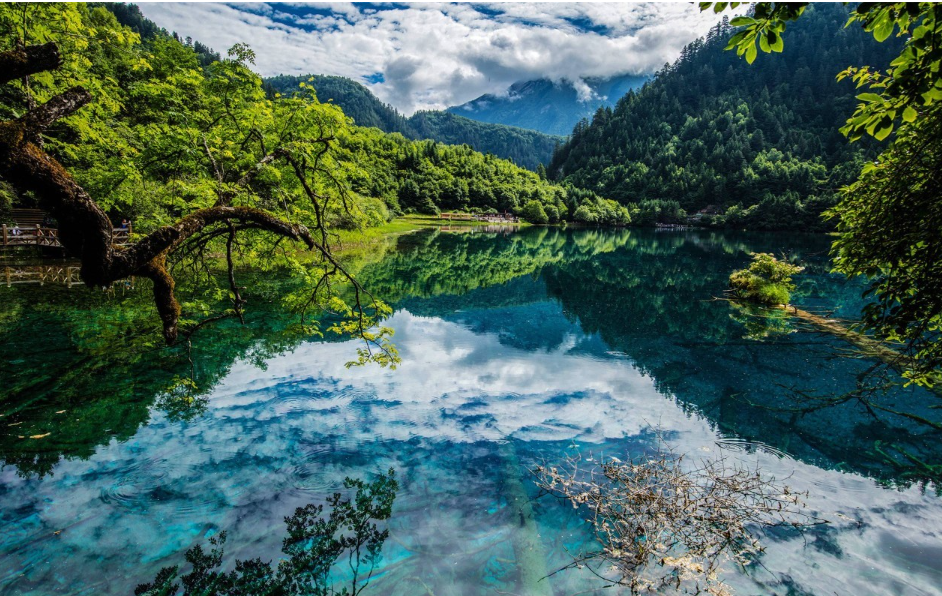
When I think about the most beautiful natural destinations in China, Jiuzhaigou in Sichuan Province is always one of the first places that comes to mind. Famous for its colorful alpine lakes, spectacular waterfalls, snow-capped mountains and forest landscapes, Jiuzhaigou offers a completely different experience from China’s major cities.
If you are planning a trip to Jiuzhaigou Sichuan China, you may have several questions. Where exactly is Jiuzhaigou? How can you get there from Chengdu? Which attractions should you visit? What is the best time of year to travel? And how many days should you spend exploring the area?
I have put together this practical travel guide to help you plan your visit, whether you are traveling independently or joining a guided tour of Sichuan.
1. Where Is Jiuzhaigou in Sichuan, China?
Jiuzhaigou, also known as Jiuzhai Valley, is located in Jiuzhaigou County, Aba Tibetan and Qiang Autonomous Prefecture, in the northwestern part of Sichuan Province, southwestern China.
The full administrative location is often written as Jiuzhaigou, Aba, Sichuan, China. This is why you may see different geographical expressions, such as Sichuan Jiuzhaigou, Jiuzhaigou Aba Sichuan, and Jiuzhaigou Valley Sichuan when searching for travel information.
Jiuzhaigou National Park is part of the Minshan Mountains and sits on the edge of the Qinghai-Tibet Plateau. Its elevation ranges from approximately 2,000 meters to over 4,500 meters, creating a diverse natural environment with alpine lakes, forests, waterfalls and mountain scenery.
What makes Jiuzhaigou particularly special is its water. The lakes display different shades of blue, turquoise and green, depending on the depth, mineral content, sunlight and surrounding vegetation. Some lakes are so clear that fallen tree trunks can be seen resting beneath the water.
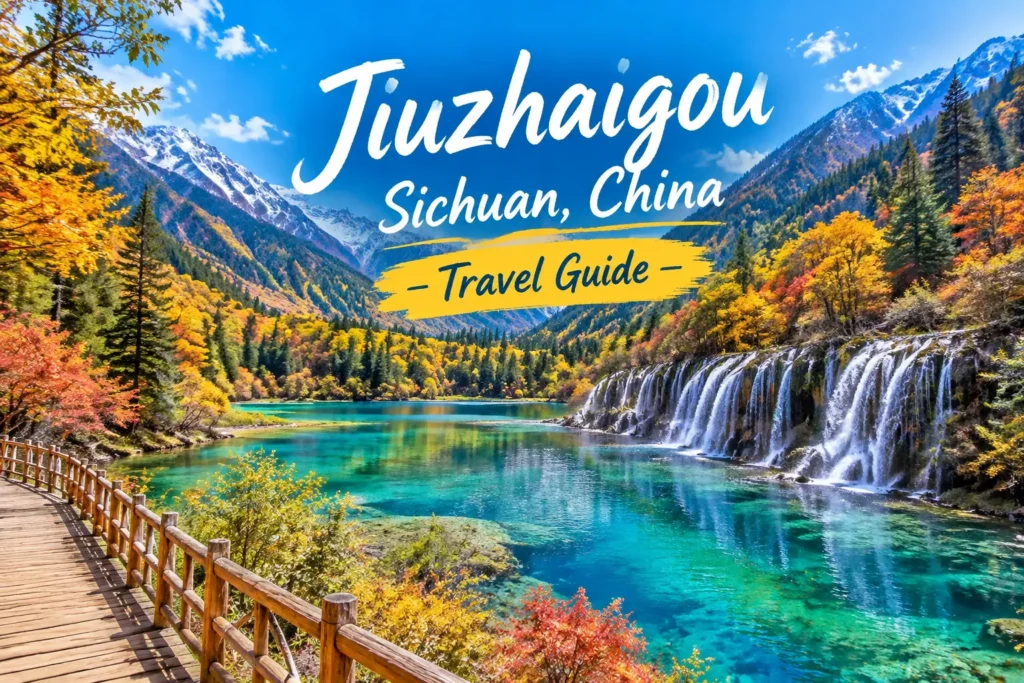
The park is also home to several Tibetan villages, giving visitors an opportunity to experience local culture alongside its natural beauty.
Jiuzhaigou was designated a UNESCO World Heritage Site in 1992, making it one of the most important natural attractions in China.
2. How to Get to Jiuzhaigou from Chengdu
For most international travelers, Chengdu is the most convenient starting point for a trip to Jiuzhaigou.
Chengdu is the capital of Sichuan Province and has an international airport, extensive railway connections and a wide range of hotels. I would recommend spending some time in Chengdu before heading to Jiuzhaigou, especially if this is your first visit to Sichuan.
There are three main ways to reach Jiuzhaigou.
2.1 By High-Speed Train
Taking a high-speed train is one of the most convenient ways to travel from Chengdu to the Jiuzhaigou area.
You can depart from Chengdu East Railway Station and take a train to Huanglong Jiuzhai Railway Station. The journey generally takes around 1.5 to 2.5 hours, depending on the train service.
However, the railway station is not located next to Jiuzhaigou National Park. After arriving, you will still need to take a tourist bus, private transfer or taxi to reach the scenic area.
The road transfer usually takes approximately two hours, depending on traffic and weather conditions.
I recommend booking your train tickets in advance during popular travel periods, particularly around China’s National Day holiday and other major festivals.
2.2 By Private Car or Tour Vehicle
If you prefer a more flexible journey, traveling by private car is another good option.
The road journey from Chengdu to Jiuzhaigou generally takes around 7–9 hours, depending on the route, road conditions and stops along the way.
One advantage of driving is that you can enjoy the scenery of western Sichuan along the route. You may also have opportunities to visit places such as Wenchuan, Maoxian and Songpan.
For families, small groups and travelers who prefer a more comfortable journey, hiring a private driver or joining an organized tour can make the trip easier.
2.3 By Air
Jiuzhai Huanglong Airport is another option for reaching the Jiuzhaigou region.
It is located at a relatively high altitude, and flight availability can vary depending on the season and departure city.
After landing, you will need ground transportation to reach Jiuzhaigou National Park.
Although flying may save travel time, I would not recommend relying on this option without checking flight schedules and transfer arrangements carefully. Weather conditions in mountainous areas can sometimes affect flight operations.
3. What Are the Best Places to Visit in Jiuzhaigou?
For me, the biggest attraction of Jiuzhaigou is the incredible variety of its lakes and waterfalls. Each area has its own character, and the scenery changes throughout the day as sunlight moves across the mountains.
The national park has a distinctive Y-shaped layout, consisting of three main valleys: Rize Valley, Zechawa Valley and Shuzheng Valley.
If you have only one day to explore Jiuzhaigou, I recommend prioritizing the following attractions.
3.1 Five Flower Lake
Five Flower Lake is one of the most famous attractions in Jiuzhaigou and is often considered one of the most beautiful lakes in the park.
Its water displays a mixture of turquoise, emerald green, blue and yellow shades. Under the right lighting conditions, the colors become particularly vivid.
One interesting feature is the collection of submerged tree trunks beneath the clear water. The contrast between the fallen trees and colorful lake water creates an unforgettable scene.
I would definitely put Five Flower Lake near the top of my sightseeing list.
3.2 Five-Color Pond
Five-Color Pond is a relatively small lake, but its brilliant colors make it one of the most memorable stops in Jiuzhaigou.
The water can display different shades of blue and green, creating a beautiful contrast with the surrounding landscape.
Because of its relatively small size, you do not need a long time to explore this attraction. However, I would still recommend taking your time to appreciate the water and surrounding scenery.
3.3 Nuorilang Waterfall
Nuorilang Waterfall is one of the most impressive waterfalls in Jiuzhaigou.
The waterfall stretches across a broad section of the valley, with water cascading down over a series of rocky surfaces. During periods of higher water flow, the sound and visual impact are particularly impressive.
It is also an important transportation point within the park, where visitors can transfer between different sightseeing routes.
I would recommend allowing enough time here to take photographs and enjoy the surrounding mountain scenery.
3.4 Pearl Shoal Waterfall
Pearl Shoal Waterfall is another attraction I would not want to miss.
Water flows over a wide, gently sloping limestone surface, creating thousands of small splashes that resemble shining pearls.
The combination of flowing water, green vegetation and surrounding forest makes this area especially photogenic.
It is also a great place to experience the natural beauty that makes Jiuzhaigou Valley so famous.
3.5 Long Lake
Long Lake is the largest lake in Jiuzhaigou and is surrounded by high mountains.
Its deep blue water creates a peaceful atmosphere, particularly when the surrounding mountains are reflected on the lake surface.
Because it is located at a higher altitude than many other attractions, I recommend walking slowly and allowing yourself time to adjust to the environment.
4. What Is the Best Time to Visit Jiuzhaigou?
Jiuzhaigou is beautiful throughout the year, but each season offers a different experience. The best time to visit depends on what kind of scenery you want to enjoy.
4.1 Spring: March to May
Spring brings fresh vegetation and gradually warmer weather to Jiuzhaigou.
The forests begin to turn green, flowers start blooming, and the waterfalls become increasingly lively as seasonal water levels change.
Spring is a good choice if you prefer fewer crowds compared with the busiest autumn travel period.
4.2 Summer: June to August
Summer is a wonderful time to visit Jiuzhaigou if you enjoy lush forests and flowing waterfalls.
The surrounding mountains become covered in greenery, while the lakes maintain their beautiful colors.
Temperatures are generally cooler than in many Chinese cities, making Jiuzhaigou a popular summer destination.
However, summer is also part of the rainy season in the region. I would recommend checking weather forecasts before traveling and preparing suitable rain gear.
4.3 Autumn: September to November
If I had to choose one season for a first visit, autumn would be my top recommendation.
The forests gradually turn yellow, orange and red, creating a spectacular contrast with the blue and green lakes.
The combination of colorful forests, clear water and mountain scenery makes autumn particularly popular with photographers and nature lovers.
October is especially famous for its autumn colors, although the exact timing varies depending on weather and temperature.
4.4 Winter: December to February
Winter transforms Jiuzhaigou into a quieter mountain destination.
Snow covers parts of the surrounding mountains and forests, while some lakes and waterfalls may develop beautiful ice formations.
The scenery is very different from autumn, but that is precisely what makes winter attractive.
If you enjoy peaceful landscapes and fewer visitors, winter may be worth considering.
Keep in mind that some attractions, including the primeval forest, may be closed seasonally, and temperatures can fall significantly.
5. How Many Days Do You Need in Jiuzhaigou?
I would recommend allowing at least two to three days for a comfortable visit to the Jiuzhaigou region, especially if you are traveling from Chengdu.
Here are two itinerary options I would consider.
5.1 Three-Day Jiuzhaigou Itinerary
Day 1: Chengdu to Jiuzhaigou
Travel from Chengdu to the Jiuzhaigou area by high-speed train and road transfer, or by private vehicle.
After arriving, check into your hotel, relax and prepare for the next day’s sightseeing.
If you arrive early enough, you can explore the nearby town and enjoy some local food.
Day 2: Explore Jiuzhaigou National Park
Spend the entire day exploring the national park.
I recommend visiting the main attractions, including Five Flower Lake, Five-Color Pond, Long Lake, Nuorilang Waterfall and Pearl Shoal Waterfall.
The park operates sightseeing buses, which help visitors travel between different scenic areas.
The exact sightseeing order may depend on the day’s bus arrangements and which sections are open to visitors.
Day 3: Return to Chengdu
After breakfast, travel back to Chengdu.
If your schedule allows, you can extend your trip to explore other destinations in Sichuan.
5.2 Four-Day Jiuzhaigou and Huanglong Itinerary
If you have an extra day, I would recommend adding Huanglong National Scenic Area to your trip.
Day 1: Travel from Chengdu to Jiuzhaigou and check into your hotel.
Day 2: Spend the day exploring Jiuzhaigou National Park.
Day 3: Visit Huanglong National Scenic Area and enjoy its famous colorful travertine pools, mountain scenery and natural landscapes.
Day 4: Return to Chengdu.
Huanglong and Jiuzhaigou are two of the most famous natural attractions in Aba Prefecture. Visiting both gives you a more complete experience of this part of Sichuan.
6. Practical Travel Tips for Visiting Jiuzhaigou
Before visiting Jiuzhaigou Sichuan China, there are several practical details I would recommend checking.
6.1 Book Your Tickets in Advance
Jiuzhaigou National Park uses real-name ticket reservations and timed entry arrangements.
During popular travel periods, tickets can become difficult to obtain, so I recommend booking through the official ticketing channels before your trip.
Ticket prices and opening hours vary by season. Always check the latest official announcements for your intended travel date.
6.2 Wear Comfortable Walking Shoes
Although sightseeing buses operate inside the park, you will still need to walk between many attractions.
Some walking paths are long, so comfortable shoes are essential.
I would also recommend bringing a lightweight jacket, sunglasses, sunscreen and a small backpack.
6.3 Prepare for Altitude Changes
Jiuzhaigou is located in a mountainous region, and some attractions are above 3,000 meters.
Most visitors can explore the main sightseeing areas without major problems, but altitude differences can affect people differently.
Walk at a comfortable pace, drink enough water and avoid excessive physical activity when you first arrive.
If you experience persistent or severe altitude-related symptoms, seek medical assistance.
6.4 Check the Weather Before Your Trip
Weather conditions in mountainous areas can change quickly.
Even if the forecast looks sunny, I would still recommend carrying a raincoat or umbrella.
Temperature differences between daytime and nighttime can also be significant, so dressing in layers is a practical choice.
6.5 Allow Enough Time for Transportation
One mistake I would avoid is planning a very tight schedule between Chengdu, the railway station and Jiuzhaigou.
Remember that arriving at Huanglong Jiuzhai Railway Station does not mean you have reached the national park.
You still need to arrange a road transfer, and traffic conditions can affect your arrival time.
For a more relaxed trip, I recommend staying overnight near the scenic area rather than trying to visit Jiuzhaigou immediately after a long journey.
7. What Else Can You Visit Around Jiuzhaigou?
If you have more time in Aba Sichuan, there are several other destinations worth considering.
7.1 Huanglong National Scenic Area
Huanglong is one of the most popular destinations to combine with Jiuzhaigou.
It is famous for its colorful travertine pools, snow-covered mountains, waterfalls and forest scenery.
The natural pools create a series of terraces with different colors, making Huanglong a very distinctive landscape.
7.2 Songpan Ancient Town
Songpan is a historic town in Aba Prefecture with a long history and strong Tibetan and Qiang cultural influences.
I would recommend visiting if you are interested in traditional architecture, local culture and the history of western Sichuan.
It can also be included as a stop along certain road routes between Chengdu and Jiuzhaigou.
7.3 Ruoergai Grassland
For travelers who want to experience a different side of Sichuan, Ruoergai Grassland is another interesting destination.
Unlike the lakes and forests of Jiuzhaigou, Ruoergai offers vast grasslands, open skies, wetlands and traditional pastoral scenery.
It is particularly attractive during the warmer months when the grasslands become green.
8. Is Jiuzhaigou Worth Visiting?
In my opinion, Jiuzhaigou is absolutely worth including in a Sichuan travel itinerary, especially if you enjoy nature, photography and mountain landscapes.
What makes Jiuzhaigou different from many other destinations is the combination of colorful lakes, waterfalls, forests and snow-capped mountains within one national park.
It is also an excellent destination for travelers who want to experience a different side of China beyond Beijing, Shanghai and other major cities.
For first-time visitors, I would suggest combining Chengdu, Jiuzhaigou and Huanglong into one trip. This gives you the opportunity to experience both the cultural attractions of Sichuan’s capital and the extraordinary natural scenery of Aba Prefecture.
When planning your journey, I would pay particular attention to transportation connections, park ticket reservations and seasonal weather conditions.
If you are looking for a more convenient way to explore Jiuzhaigou, you can also consider a private guided tour from Chengdu. Having transportation, accommodation and sightseeing arrangements organized in advance can make traveling through this mountainous region much easier, particularly for international visitors.