Honest travel review: pros, cons and practical tips for family visitors
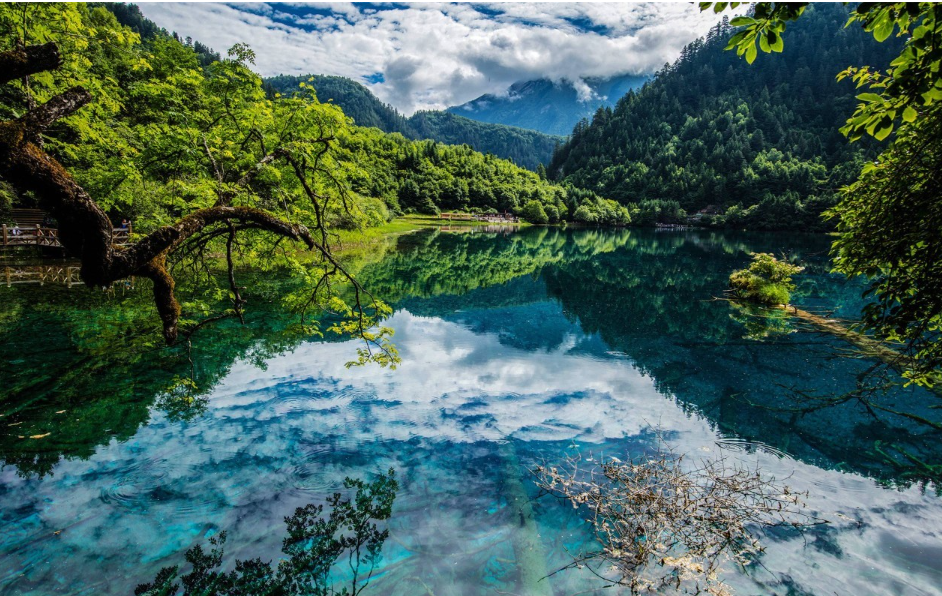
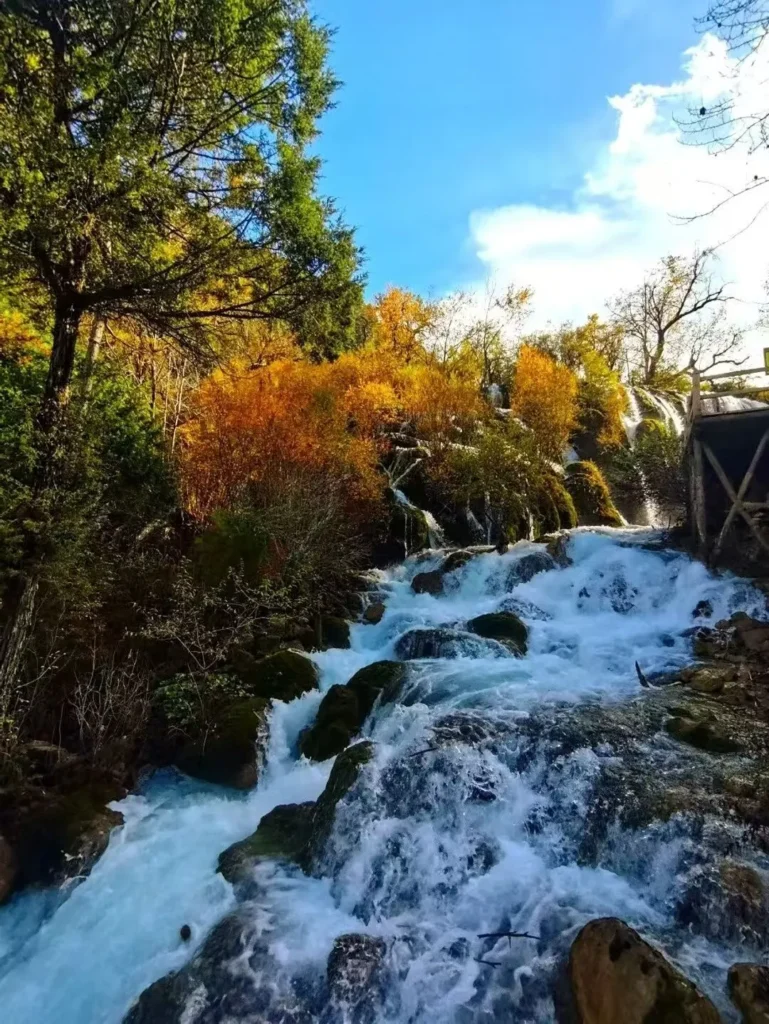
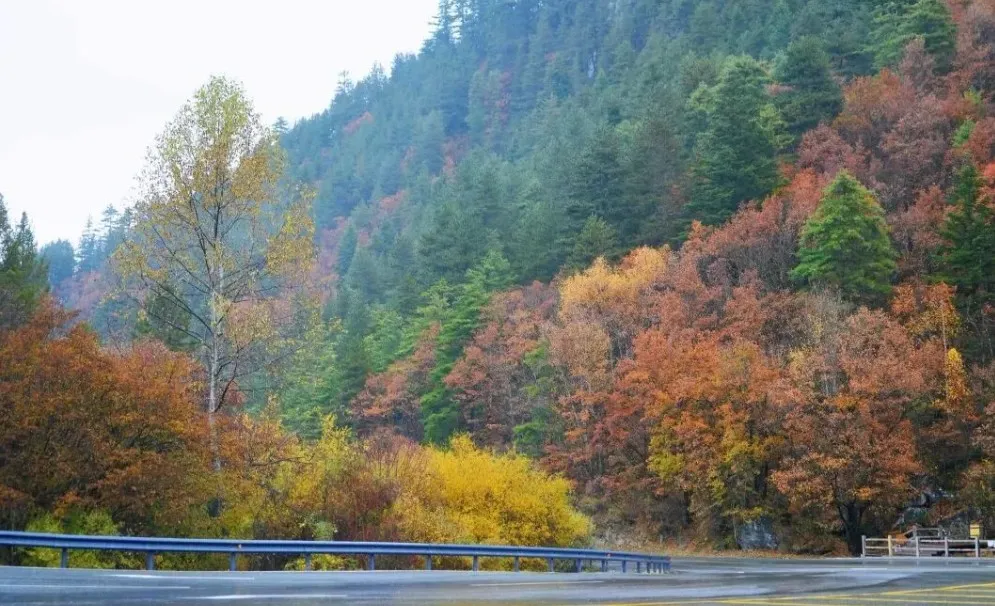
Jiuzhaigou Valley sits in Jiuzhaigou County, Aba Tibetan and Qiang Autonomous Prefecture, in northwestern Sichuan. It is a China 5A scenic spot and a UNESCO World Natural Heritage Site. The park is famous for its water landscapes, with 114 alpine lakes called haizi scattered across the valley. Every season brings a unique charm: wild blossoms in spring, thundering waterfalls in summer, vibrant colorful forests in autumn, and snow-covered scenery in winter. For me, autumn is absolutely the best. Red, orange, gold and green forest layers reflect in turquoise lakes, turning the whole valley into a romantic oil painting.
Pros & Cons At A Glance
✅ Pros
- The famous saying “After visiting Jiuzhaigou, no other lakes will impress you” is well deserved. The lakes vary dramatically in color and shape. No photos or videos can fully capture its beauty — you really need to see it in person.
- Listen carefully to the audio commentary on the park shuttle buses; the descriptions are beautifully written.
- Besides lakes and waterfalls, this season you get both colorful forests and snow-capped mountains. Tibetan and Qiang ethnic groups live here, so you can experience local minority culture if you have extra time.
⚠️ Cons
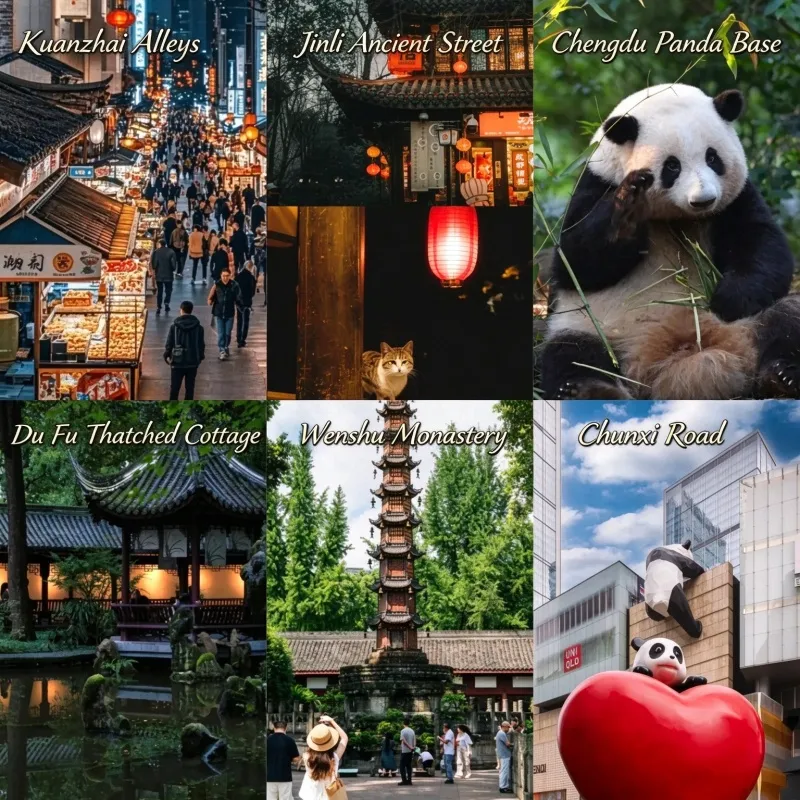
- Transportation to Jiuzhaigou is a bit complicated. We flew to Chengdu first, took a high-speed train to Huanglong-Jiuzhai Station, then rode a taxi for more than one hour to reach the park.
- Some areas reach 3,000–4,000 meters above sea level. Many lakes require long stair climbs, which is hard on knees and raises the risk of altitude sickness.
- Even though the park manages shuttle buses very efficiently, drop-off and pick-up stops are often separate. You may need to walk 1–2 km between stops, which is very tiring.
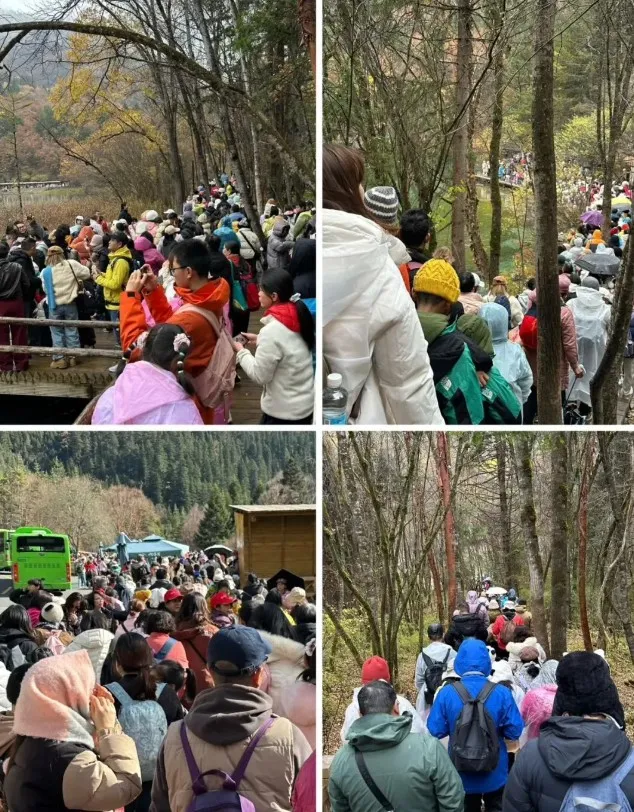
- Popular viewpoints get extremely crowded; you will basically move along with the crowd.
Important Park Rule
The park stops admitting new visitors at 2 PM. You must enter before 2 PM if you plan to visit on the same day. The park is huge. Just the ride from the entrance to the central hub and back takes around one hour, not including transfers between different valleys. After you enter, hop on the park shuttle bus first.
Y-Shaped Valley Layout & Our Route
All lakes and waterfalls are arranged in a Y shape. Visitors enter from the bottom of the Y and travel upward. Shuttle buses arrive at Nuorilang Central Station, the junction of the Y, then split toward the left or right valley based on scheduling. If your target spot is not on that route, you will need to get off and transfer.
We finished the whole lower trunk section of the Y. On the left Zechawa Valley, we visited Long Lake but skipped the super popular Five-Color Pond. It requires a descent of over 1 km of stairs, which is too tough for seniors with bad knees. The left valley sits above 3,000 meters, and stair climbing can easily trigger altitude discomfort. On the right Rize Valley, we stopped at Arrow Bamboo Lake and Five-Flower Lake. Five-Flower Lake was packed with tourists, and it felt overwhelming.
Many lakes look fairly similar. If you have good stamina, you can try to hit every spot. If you travel with seniors and kids like us, feel free to skip some sites without guilt.