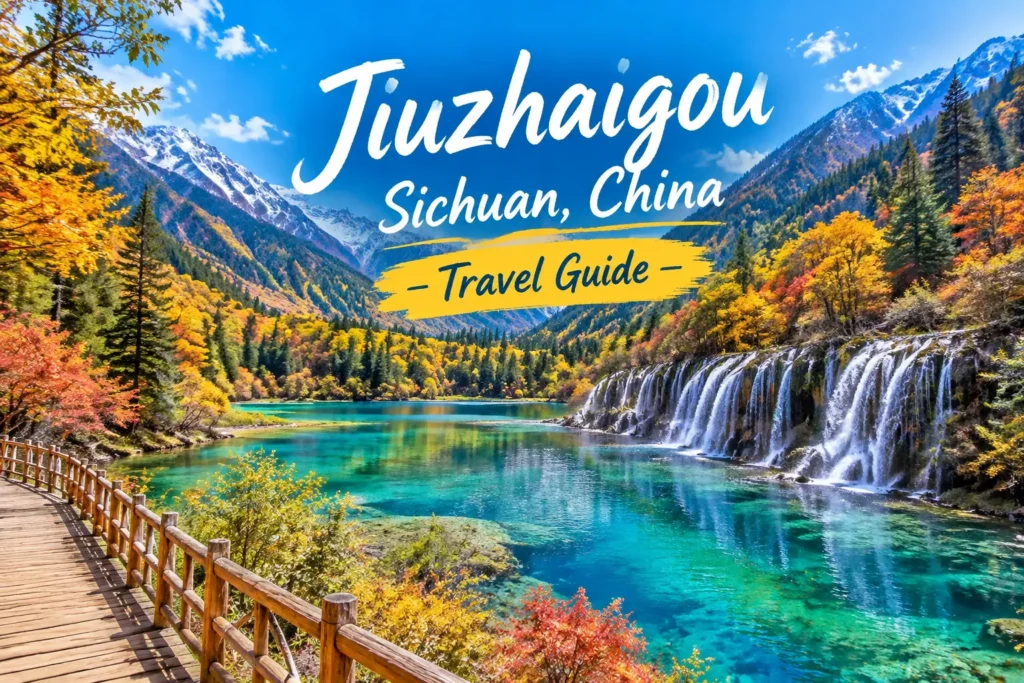
If you ask me which natural scenic spot in China deserves a dedicated trip, I will definitely recommend Jiuzhaigou. It boasts vivid alpine lakes, thundering waterfalls, dense primeval forests and rolling snow-capped mountains. The scenery changes dramatically from season to season.
Jiuzhaigou is located in the Aba Tibetan and Qiang Autonomous Prefecture, Sichuan Province, and is one of China’s most famous natural reserves. Its official English name is Jiuzhaigou Valley, also commonly referred to as Jiuzhai Valley or Jiuzhai Valley National Park. For foreign travellers visiting China, Jiuzhai Valley National Park is an excellent destination to experience stunning Chinese natural scenery.
Before your trip, it is worthwhile to learn about the park layout, key sights and suggested routes. Jiuzhaigou covers a vast area, and without prior planning, you may easily miss many highlights.
This guide covers an overview of the reserve, must-see attractions, recommended itineraries, best visiting seasons and practical tips for first-time visitors.
1. What Is Jiuzhai Valley National Park?
Jiuzhai Valley National Park sits within Jiuzhaigou County, Aba Tibetan and Qiang Autonomous Prefecture, Sichuan, in the Minshan Mountain range. It is a nature reserve famous for alpine lakes, waterfalls, forests and snow peaks.
Jiuzhaigou owes its worldwide fame primarily to its extraordinary water features. Scattered across the valley are countless lakes of varying sizes. The water shimmers in shades of blue and green, and shifts colour under different lighting conditions. The water is crystal clear, allowing visitors to see submerged fallen trees and rocks on the lakebed in many spots.
Besides lakes, you will find waterfalls, travertine shoals and ancient woodland. These diverse landscapes are tucked among mountain valleys, forming a rich and intact natural ecosystem.
Jiuzhaigou was inscribed on the UNESCO World Natural Heritage List in 1992.
Geographically, the whole reserve forms a Y-shape, made up of three main valleys:
- Rize Valley: Home to Five Flower Lake, Pearl Shoal Waterfall and Mirror Lake
- Zechawagou Valley: Features Long Lake and Five-Coloured Pond
- Shuzheng Valley: Contains Shuzheng Lakes, Nuorilang Waterfall and Reed Lake
Understanding this Y-shaped layout is essential, as nearly all major attractions are distributed across these three branches.
2. Must-See Attractions in Jiuzhaigou
When you first visit Jiuzhai Valley National Park, do not only chase one famous lake. The true magic of Jiuzhaigou lies in the harmonious combination of lakes, waterfalls and forests.
Below are the highlights I recommend prioritising.
2.1 Five Flower Lake – Jiuzhaigou’s Iconic Lake
Five Flower Lake is one of Jiuzhaigou’s most famous landmarks and often the top spot travellers hope to see. Its water displays a stunning palette of blues, greens and yellows. Sunlight creates constant colour shifts across the surface. Submerged dead trees lie on the lakebed, visible through transparent water and creating a striking contrast against the multicoloured water.
If you enjoy photography, set aside extra time here. The view changes noticeably with different times of day and light.
2.2 Five-Coloured Pond – Small yet Breathtaking
Located in Zechawagou Valley, Five-Coloured Pond is another iconic coloured lake. Compared with Five Flower Lake, it is much smaller, yet its colours are exceptionally vibrant. Different zones show deep blue, pale blue and emerald green, and reflections of surrounding trees make the pond even more picturesque. It is perfect for close-up viewing of the vivid lake hues.
2.3 Long Lake – Jiuzhaigou’s Largest Lake
Long Lake is the biggest body of water in Jiuzhaigou and a core attraction of Zechawagou Valley. Surrounded by towering mountains, it has deep, dark blue water and delivers a sense of peace and vastness. Its beauty is grand and understated, unlike the vivid multi-toned look of Five Flower Lake. On clear days, distant snow peaks reflect on the water for spectacular views. It sits at a high altitude, so take your time walking and avoid strenuous activity.
2.4 Nuorilang Waterfall – A Magnificent Natural Landmark
Nuorilang Waterfall is one of Jiuzhaigou’s signature waterfalls. It stretches wide horizontally, with water pouring down a broad rock face into a huge curtain of falling water. This is also the main transport interchange inside the park, where shuttle buses depart for different valleys. If you want to experience Jiuzhaigou’s waterfall scenery, Nuorilang is unmissable.
2.5 Pearl Shoal Waterfall – Water and Forest in Perfect Harmony
Pearl Shoal Waterfall is in Rize Valley. Water flows over a wide travertine platform, breaking into countless tiny streams and droplets that look like scattered pearls. Dense forest frames the waterfall, pairing clear running water with lush greenery for a dreamy natural scene.
2.6 Mirror Lake – Ideal for Mountain and Forest Reflections
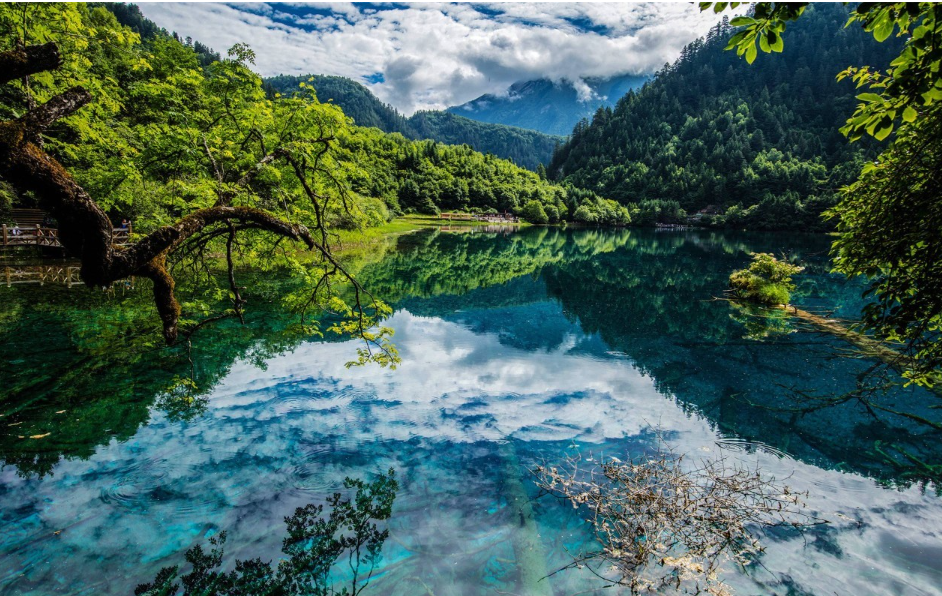
Mirror Lake is unique among Jiuzhaigou’s lakes. When the surface is calm and windless, mountains, forests and the sky reflect perfectly on the water, just like a giant mirror. It is highly recommended for landscape photographers. Bear in mind that perfect reflections depend on calm weather; smooth water is not guaranteed every day.
2.7 Shuzheng Lakes – A Tiered Chain of Lakes
Shuzheng Lakes consist of a series of interconnected ponds and are the key attraction in Shuzheng Valley. Spread along the valley, these lakes link with woodland and small cascades, forming layered, picturesque waterscapes. This area showcases Jiuzhaigou’s typical aquatic landforms and is a great place to understand its geology.
3. How to Plan Your Route Through the Three Valleys
The Y-shaped layout can confuse first-time visitors, as attractions are spread out. I suggest learning the character of each valley first and adjusting your route according to the daily shuttle bus schedule released by the park.
3.1 Rize Valley – Top Priority for Sightseeing
Rize Valley is one of the most popular sections. It holds Five Flower Lake, Pearl Shoal Waterfall, Mirror Lake and other world-famous spots with exceptionally rich scenery of lakes, waterfalls and woodland. If you love lakes, waterfalls and forests, reserve plenty of time here.
3.2 Zechawagou Valley – High-Altitude Lakes
Zechawagou Valley centres on Long Lake and Five-Coloured Pond. The landscape feels more mountainous and open, with expansive highland lakes. Although its main sights are relatively concentrated, both spots are absolutely worth visiting.
3.3 Shuzheng Valley – Experience Jiuzhaigou’s Overall Charm
Shuzheng Valley runs through the park and includes Shuzheng Lakes, Nuorilang Waterfall and Reed Lake. Here you can enjoy lakes, waterfalls, streams, forests and mountain valleys all together. Do not rush past it simply to keep to a tight schedule if your time allows.
4. One-Day Itinerary for Jiuzhaigou
If your schedule is limited, one full day is the practical choice for exploring Jiuzhaigou. Shuttle buses run inside the park to connect different scenic stops. Below is a recommended one-day plan.
Morning: Focus on Rize Valley After entering the park, head for Rize Valley first following the shuttle arrangement of the day. Visit Five Flower Lake, Pearl Shoal Waterfall and Mirror Lake. These represent Jiuzhaigou’s most iconic natural views and deserve slow appreciation.
Midday: Rest at Nuorilang Service Centre Stop for lunch and rest at Nuorilang Tourist Service Centre. This central transport hub connects all three valleys for your afternoon trip.
Afternoon: Explore Zechawagou Valley and Shuzheng Valley In the afternoon, visit Long Lake, Five-Coloured Pond, Nuorilang Waterfall and Shuzheng Lakes based on the shuttle service. If time runs short, only pick the sights you like most – you do not need to stop at every viewing platform.
Note: The actual visiting sequence may change due to real-time shuttle adjustments and temporary closures. Always check the official notice before setting off.
5. Best Seasons to Visit Jiuzhaigou
Jiuzhaigou offers distinct scenery all year round. Autumn is my top pick, yet every season has its own appeal.
5.1 Spring: Reawakening Mountains
In spring, the mountains gradually turn green. Wildflowers and fresh new foliage emerge, creating a fresh atmosphere. It is a good option if you wish to avoid peak-season crowds.
5.2 Summer: Lush Forests and Full Waterfalls
Summer brings the thickest green foliage. Waterfalls carry abundant water. Jiuzhaigou stays cooler than many lowland Chinese cities, making it a popular summer escape. However, rainfall is frequent, so keep an eye on weather forecasts.
5.3 Autumn – The Most Popular Season
Autumn delivers the most colourful scenery. Forests turn golden, orange and crimson, contrasting sharply with the turquoise and blue lakes. The combination of colourful woods and crystal lakes forms Jiuzhaigou’s signature view. October is especially favoured by tourists and photographers.
5.4 Winter: Snow Peaks and Frozen Waterfalls
Jiuzhaigou is quiet in winter. Mountain tops are covered in snow, and some lakes and waterfalls freeze over, creating a totally different landscape. It suits travellers who love snow scenery and want to skip crowds. Check winter opening rules and partial closure information ahead of your trip.
6. How Many Days Should You Spend in Jiuzhaigou?
I recommend a minimum of one full day inside Jiuzhai Valley National Park. One day gives you enough time for relaxed sightseeing and photography without rushing. The reserve is large; even with shuttle buses, you still need walking between viewpoints.
If you also plan to visit Huanglong Scenic Area nearby, add an extra day. A suggested schedule for first-time visitors to Sichuan: Day 1: Travel from Chengdu to Jiuzhaigou Day 2: Full-day tour of Jiuzhai Valley National Park Day 3: Visit Huanglong Scenic Area, then return to Chengdu or continue your journey
This itinerary lets you fully experience the famous natural attractions of northern Aba.
7. Practical Travel Tips for Jiuzhaigou
Read these notes before departure for a smoother trip.
7.1 How to Buy Tickets
Jiuzhaigou implements real-name ticketing. Book tickets through official channels. Book in advance during peak seasons, including summer holidays and autumn. Ticket prices, shuttle fares and opening hours change by season. Always follow the latest official announcements.
7.2 Are There Shuttle Buses Inside the Park?
Yes. Shuttle buses run across the vast reserve to carry visitors between scenic zones. Routes and stops follow the daily park announcement. Check the shuttle route once you enter the park, rather than relying on outdated online guides.
7.3 What to Pack
I suggest preparing these items:
- Comfortable walking or hiking shoes
- Sunscreen, sunglasses and a sun hat
- Light jacket – temperatures swing sharply in mountain areas
- Raincoat or umbrella for changeable mountain weather
- Drinking water and some snacks
- Mobile phone, camera and power bank
Many viewpoints sit above 3,000 m elevation. Move slowly and watch your physical condition.
7.4 Is Jiuzhaigou Suitable for Children and Elderly Visitors?
It is family-friendly, provided you plan according to everyone’s physical condition. Shuttle buses cut down long-distance hiking, but walking is still required at each stop. For seniors and kids, avoid packed schedules, stick to major attractions and leave plenty of rest time.
8. Worthwhile Side Trips Near Jiuzhaigou
If you have 3–4 days or longer, combine Jiuzhaigou with nearby destinations.
8.1 Huanglong National Scenic Area
Huanglong is a highly recommended neighbouring site. It is famous for its multi-coloured ponds, layered travertine pools, waterfalls and snow peaks. Unlike Jiuzhaigou’s dense lakes and forests, Huanglong’s highlight is its spectacular stepped travertine landforms. If it is your first time in Aba, pairing Jiuzhaigou and Huanglong in one trip is ideal.
8.2 Songpan Ancient Town
Songpan Ancient Town carries a long history and offers a chance to experience local Tibetan and Qiang culture. Well-preserved ancient walls and buildings create a historic atmosphere very different from Chengdu. Stop by here if you are interested in cultural heritage.
8.3 Zoige Grassland
If you want a landscape different from Jiuzhaigou’s forests and lakes, visit Zoige Grassland. It features vast grasslands, wetlands and rivers, and looks its best in summer. Compared with Jiuzhaigou’s enclosed valleys, Zoige delivers wide, open highland scenery.
9. My Recommended Plan for First-Time Visitors to Jiuzhai Valley National Park
For a first visit, I would prioritise Five Flower Lake, Five-Coloured Pond, Long Lake, Pearl Shoal Waterfall and Nuorilang Waterfall. These spots capture Jiuzhaigou’s most distinctive natural charm. Do not pack your itinerary too tightly. Jiuzhaigou’s beauty lies not only in famous landmarks but also in forests, lakes, valleys and clear streams you pass along the way.
For a relaxed journey, you can book a private car or custom tour departing from Chengdu, arranging transport, accommodation and park tickets beforehand. Pre-planned connections are especially convenient for international travellers visiting China for the first time.