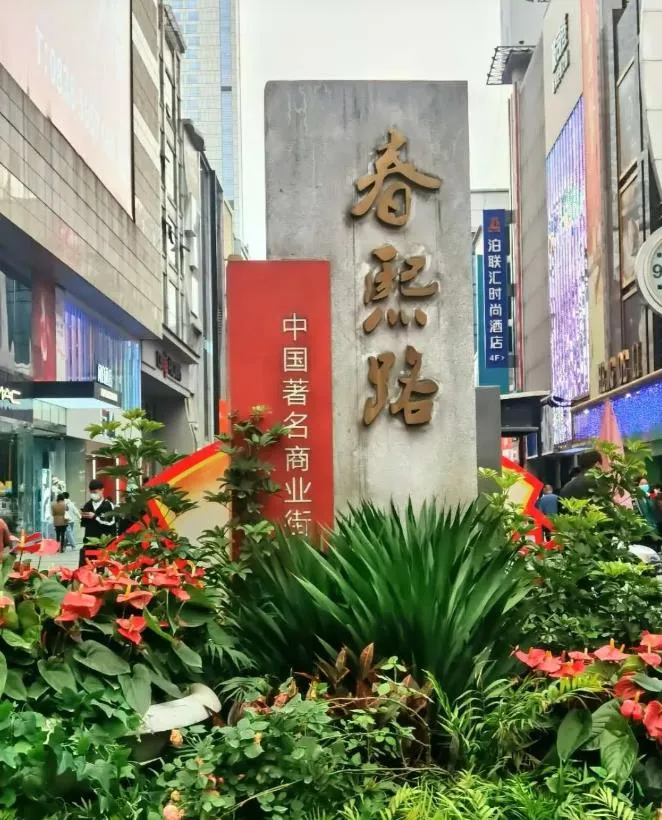
When people talk about Jiuzhaigou, the first things that come to mind are Five-Flower Lake, Long Lake, Nuorilang Waterfall, snow-capped mountains and colourful forests. It is one of China’s most famous natural tourist destinations. Yet if we turn our gaze away from its natural scenery to local history, we will find a rich red culture and revolutionary heritage worth learning about.
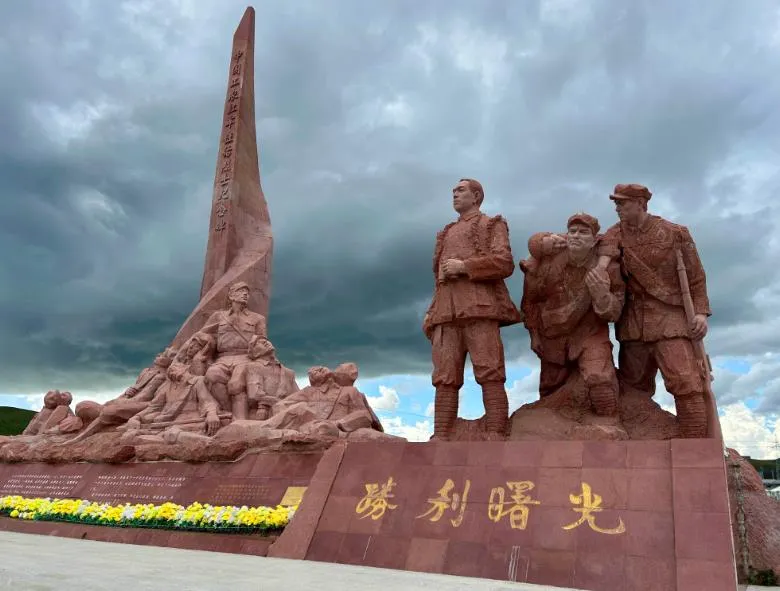
Jiuzhaigou County Martyrs Cemetery is one such important memorial site. Featuring a martyr monument, a wall of honour for heroes and a martyrs memorial hall, it commemorates heroes who sacrificed their lives for the revolutionary cause and the liberation of the people.
If you have searched for “Monument of the People’s Heroes” or “Monument to the People’s Heroes Beijing” but actually want to learn about the people’s heroes monument in Jiuzhaigou County, this guide is for you. It covers the cemetery’s location, historical background, memorial facilities and visitor rules.
1. Where is Jiuzhaigou County Martyrs Cemetery?
Jiuzhaigou County Martyrs Cemetery is located in Jiuzhaigou County, Aba Tibetan and Qiang Autonomous Prefecture, Sichuan Province. It serves as a key local venue for honouring revolutionary martyrs and carrying out patriotic and revolutionary tradition education.
It is not the same attraction as the Jiuzhaigou National Nature Reserve. The Jiuzhaigou Scenic Area is famous for its mountain waters and landscapes, while the cemetery preserves the local revolutionary memory.
If you are travelling in or around Jiuzhaigou County and want to explore local red culture, the cemetery is a meaningful cultural stop.
Basic information:
- Chinese name: 九寨沟县烈士陵园
- English name: Jiuzhaigou County Martyrs Cemetery
- Region: Jiuzhaigou County, Aba Tibetan and Qiang Autonomous Prefecture, Sichuan Province
- Main facilities: Martyr monument, wall of honour for heroes, martyrs memorial hall
- Significance: Commemorating revolutionary martyrs, patriotic education, revolutionary tradition education
- Visitor policy: Memorial site. Opening hours and admission arrangements are subject to the latest announcements from local authorities.
It should be noted that the cemetery has undergone relocation and construction projects. In 2024, the local finance department issued notices covering funds for the relocation project and surveying fees for construction verification. Therefore, old navigation addresses are not recommended. Before your trip, confirm the current exact location and opening status with the local Veterans Affairs department or site management.
2. What historical significance does Jiuzhaigou County Martyrs Cemetery hold?
Jiuzhaigou County boasts abundant natural and ethnic cultural resources, alongside traces of China’s modern revolutionary history.
Between 1935 and 1936, the Fourth Front Army of the Chinese Workers’ and Peasants’ Red Army passed through what was then Nanping, today’s Jiuzhaigou County. During this period, the Red Army spread revolutionary messages, mobilised local residents and built ties with local ethnic communities.
This chapter of history forms a core part of Jiuzhaigou’s red culture.
For visitors to Jiuzhaigou, learning this history offers another perspective on the land. Jiuzhaigou is far more than a natural scenic spot; it also witnessed the hardships of the revolutionary era and preserves memories worthy of remembrance.
The cemetery fulfils this memorial and educational mission. Through monuments, displays of martyr stories and memorial ceremonies, it helps local residents and visitors understand the sacrifices of revolutionary martyrs and cherish the peace we enjoy today.
3. What can you see at Jiuzhaigou County Martyrs Cemetery?
According to activity materials released by the Jiuzhaigou Scenic Area Administration, the cemetery includes a martyr monument, a wall of honour for heroes and a martyrs memorial hall. If you visit, you may focus on the following sites.
3.1 Martyr Monument
The martyr monument is the cemetery’s most important memorial structure and the main venue for public memorial ceremonies on Martyrs’ Day, Qingming Festival and other commemorative occasions.
On important anniversaries, local authorities, schools, military units and community representatives gather before the monument to observe a moment of silence, lay flower baskets and pay their respects.
On 30 September 2026, Jiuzhaigou County held a public memorial ceremony for Martyrs’ Day. Participants paid tribute to revolutionary martyrs before the monument, viewed it in solemn respect and laid flowers.
If you visit, pause quietly in front of the monument. Unlike ordinary tourist attractions, this place is for quiet reflection and respect for history.
3.2 Wall of Honour for Heroes
The wall of honour is another key memorial feature.
While the monument carries collective memorial meaning, the wall of honour specifically records the names and stories of individual heroes.
Through this memorial feature, future generations can remember those who sacrificed for the revolutionary cause and keep their stories alive.
When visiting, take your time to read the inscriptions and introductions on display. If martyr biographies are available, use them to learn more about the local revolutionary history.
3.3 Martyrs Memorial Hall
The martyrs memorial hall is an important place to learn about the red history of Jiuzhaigou County.
Compared with the outdoor monument, the memorial hall usually uses photographs, texts, historical documents and physical exhibits to present the historical context and personal stories of the revolutionary era in greater detail.
Official reports on the Qingming memorial event in 2026 from the Jiuzhaigou Scenic Area Administration noted that participants laid flower baskets at the cemetery before touring the martyrs memorial hall.
This confirms the hall’s role in local patriotic education. Still, public access, advance booking requirements and opening hours depend on on-site management rules.
4. What is the connection between Jiuzhaigou and the Red Army’s Long March?
If you are interested in the red history of Jiuzhaigou County, the Long March of the Red Army is a key topic.
From 1935 to 1936, the Fourth Front Army of the Chinese Workers’ and Peasants’ Red Army marched through the Nanping area, leaving records of revolutionary activities.
Back then, Nanping was located in the mountainous northwest of Sichuan, with rugged terrain and far less developed transport than today. The Red Army carried out revolutionary publicity, mobilised local residents and established bonds with local ethnic groups here.
This history belongs not only to Jiuzhaigou County, but also to the broader story of the Red Army’s Long March.
4.1 Red Army Monument
There is another red memorial site in Jiuzhaigou County that is easily confused with the martyrs cemetery: the Red Army Monument.
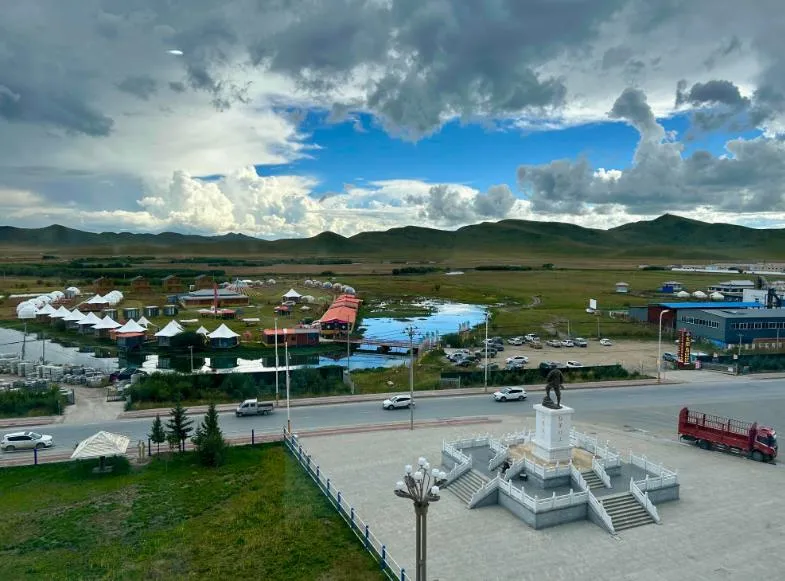
According to an introduction from the Jiuzhaigou County Veterans Affairs Bureau, the Red Army Monument stands in Red Army Square in Nanping Town, Jiuzhaigou County. It was built to honour the Red Army’s Long March passage through Nanping.
The monument consists of a base, shaft and top sculpture, standing 12.8 metres high. Its peak features a bronze statue of a Red Army soldier, while the shaft and inscriptions record the history of the Red Army passing through Nanping.
Erected by the Jiuzhaigou County People’s Government in 1996, it is a landmark of local red culture.
4.2 Differences between the Martyrs Cemetery and the Red Army Monument
Both sites relate to the revolutionary history of Jiuzhaigou County, yet their memorial themes differ.
| Comparison Item | Jiuzhaigou County Martyrs Cemetery | Red Army Monument |
|---|---|---|
| Core purpose | Honouring revolutionary martyrs | Commemorating the Red Army’s Long March history |
| Main facilities | Martyr monument, wall of honour for heroes, martyrs memorial hall | Red Army monument, Red Army Square |
| Memorial theme | Remembering fallen revolutionary heroes | Marking the Red Army’s Long March through Nanping |
| Location | Jiuzhaigou County; verify the new address before visiting | Red Army Square, Nanping Town, county seat |
If you search for “Monument of the People’s Heroes”, confirm whether you are looking for the martyr monument inside the martyrs cemetery or the Red Army Monument in the county’s Red Army Square. They are not the same attraction.
5. When is a good time to visit Jiuzhaigou County Martyrs Cemetery?
As a memorial site, the martyrs cemetery differs from seasonal sightseeing destinations in Jiuzhaigou. The focus of a visit is historical learning and remembrance rather than seasonal scenery.
These dates are especially meaningful:
5.1 Qingming Festival
Qingming Festival is the traditional occasion to honour the departed and pay respects to martyrs. The Jiuzhaigou Scenic Area Administration has repeatedly organised staff to hold memorial activities here, including laying flower baskets, observing silence and visiting the martyrs memorial hall.
If you wish to see local red education activities, you may watch for events around Qingming.
5.2 Martyrs’ Day
30 September each year is China’s Martyrs’ Day. Jiuzhaigou County holds related commemorative events on this important date. A public memorial ceremony was held at the martyr monument on 30 September 2026.
If you are in Jiuzhaigou County at this time, you may check for official event announcements. Whether ordinary visitors can join the ceremonies depends on the organiser’s arrangements.
5.3 Regular visits
You may also visit outside special commemorative dates, provided you first confirm public opening status.
Since it is a solemn memorial site, do not assume it opens all day like a regular tourist attraction or lock in a fixed itinerary without checking.
6. What other red cultural sites can you visit during a Jiuzhaigou trip?
If you want to explore more local history while travelling in Jiuzhaigou, look beyond the martyrs cemetery to other red cultural resources in Jiuzhaigou County and Aba Prefecture.
6.1 Red Army Monument in Jiuzhaigou
Located in Red Army Square, Nanping Town, Jiuzhaigou County, it is a key spot for learning the history of the Red Army’s Long March through Nanping. If you are already in the county seat, it can be added as a short stop. Confirm opening status and transport before you go.
6.2 Long March Relics of the Red Army in Jiuzhaigou County
Relics linked to the Red Army’s Long March remain scattered across Jiuzhaigou County. The Red Army passed through the area twice between 1935 and 1936, leaving red slogans and records of revolutionary activities.
These relics are spread across remote areas, and not all are suitable for independent visits by regular tourists. If you are interested in red culture, ask about organised red study or tour routes locally.
6.3 Red Army Long March Monument Park in Chuanzhusi, Songpan
If your itinerary includes Songpan after Jiuzhaigou, you may consider the Red Army Long March Monument Park in Chuanzhusi Town, Songpan County, Aba Prefecture. It is a major memorial site for the Long March, separate from the Red Army Monument and martyrs cemetery in Jiuzhaigou County.
If you travel from Jiuzhaigou to Huanglong or Songpan, you may include it based on your route and opening information.
7. Rules and etiquette for visiting Jiuzhaigou County Martyrs Cemetery
This is not an entertainment or commercial tourist venue. The most important rule is to maintain respect.
Tips for your visit:
- Confirm the address in advance. The cemetery has a relocation record; avoid relying only on old navigation locations.
- Check opening arrangements. Contact local management authorities to confirm public access, booking requirements and entry rules.
- Keep your voice low. Avoid loud talking when memorial ceremonies are underway.
- Respect memorial structures. Do not climb the monument or damage exhibits.
- Be thoughtful with photography. You may photograph buildings and memorial features, but avoid inappropriate photo-taking behaviour.
- Plan local transport carefully. Parts of Jiuzhaigou County are mountainous, so calculate travel time and road conditions accordingly.
It is also a meaningful educational stop for children. Before visiting, you may tell them stories of the Long March and revolutionary martyrs, helping them understand that Jiuzhaigou has profound history alongside its famous natural beauty.
8. Frequently Asked Questions
8.1 Where is Jiuzhaigou County Martyrs Cemetery?
It sits in Jiuzhaigou County, Aba Tibetan and Qiang Autonomous Prefecture, Sichuan Province. Due to relocation and construction work, verify the latest address with local management before travelling.
8.2 Is entry free?
I do not have sufficient verified official information on the latest admission fees and public access rules. As a memorial facility, opening status, booking rules and charges are subject to the latest notice from local authorities.
8.3 What is inside the cemetery?
According to official activity reports, the site includes a martyr monument, a wall of honour for heroes and a martyrs memorial hall. It serves as a local venue for martyr commemoration and patriotic education.
8.4 Where is the Red Army Monument in Jiuzhaigou?
The Red Army Monument is located in Red Army Square, Nanping Town, Jiuzhaigou County. It marks the history of the Red Army’s Long March through Nanping.
8.5 Why does Jiuzhaigou County have red cultural relics?
Between 1935 and 1936, the Fourth Front Army of the Chinese Workers’ and Peasants’ Red Army passed through the then Nanping area, carrying out revolutionary publicity and community work and leaving behind red cultural heritage.
8.6 Is Jiuzhaigou County Martyrs Cemetery suitable for ordinary tourists?
It is a good destination for visitors interested in local revolutionary and red culture. It is not, however, a standard sightseeing attraction within the Jiuzhaigou natural scenic area. Confirm its location and opening arrangements before planning a visit.