引言:為什麼這條路線如此令人心動
說實話,我第一次去中國的時候非常害怕。語言不通,國土遼闊,風俗習慣陌生,這一切都讓我感到不知所措。但後來,一位朋友悄悄說了三個字,徹底改變了我的心情:「成都/樂山/峨眉山」。
三座城市,一個完美的三角形,兩週的旅程徹底改變了我對旅行的看法。
真希望在我抵達成都雙流機場之前,有人能把這條路線告訴我。當時我飽受時差困擾,緊緊握著旅遊指南,感覺就像抓住了救命稻草。對於想要體驗地道中國風卻又不想被喧囂包圍、想要感受文化卻又不想被迷惑、想要冒險卻又不想被焦慮折磨的美國旅行者來說,這條路線堪稱完美的入門之選。
讓我們深入探討一下。
為何選擇這條路線?四川三角的魅力
成都/樂山/峨眉山的特別之處在於:在短短幾個小時內,你可以體驗到三種截然不同的風情。
成都 這裡是你的舒適落腳點——一座現代化且宜居的城市,古老的茶館與時尚的咖啡館並肩而立,清晨你可以觀賞熊貓,夜晚則可以尋覓最美味的麻婆豆腐。它是中國最悠閒的大城市,當地人會告訴你,這是因為每個人都明白人生苦短,何必匆匆忙忙。
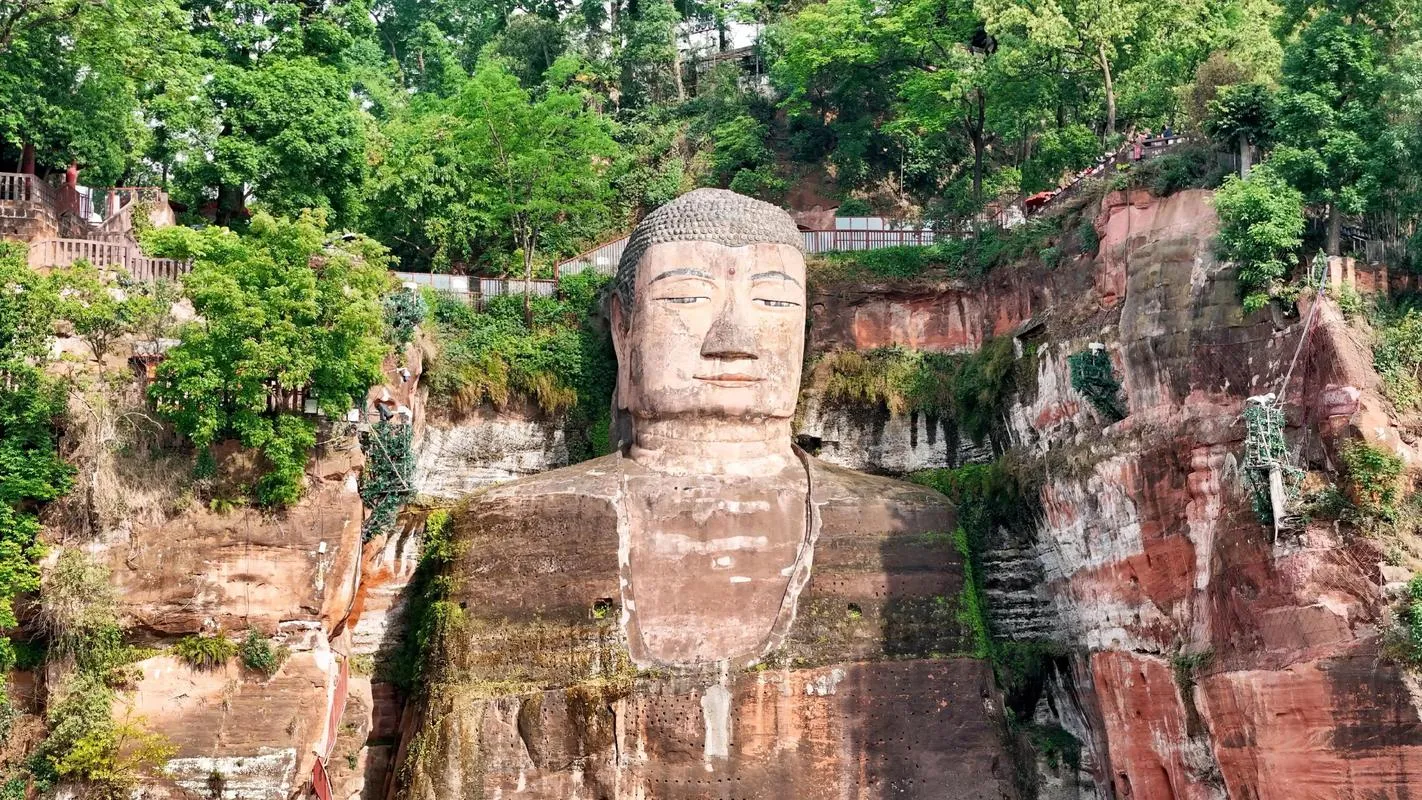
樂山 這裡是了解歷史的好去處。這裡有世界上最大的石雕佛像,它在1200多年前的唐朝時期雕刻在懸崖峭壁上。站在佛像腳下,仰望著這座見證了帝國興衰的71公尺高的雕像,你會感覺到內心深處某種東西在湧動。這是一種令人心生敬畏的體驗。
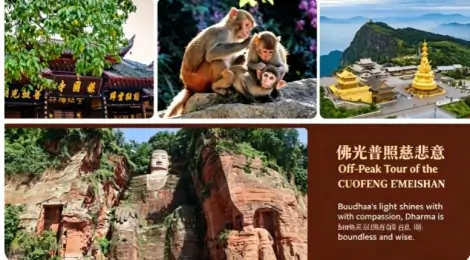
Emeishan 這將是心靈的洗禮。這裡是中國四大佛教名山之一,寺廟依偎在雲霧繚繞的山峰之上,古老的森林彷彿來自遠古,金峰的日出美得令人窒息。哦,對了,還有那些調皮搗蛋的猴子,它們可是把偷遊客零食的本領練得爐火純青。
妙處在於?你可以在5-7天內遊覽這三個地方,而且不會感到時間緊迫。高鐵將它們像串珠一樣連接起來。而且不像北京或上海,你不用把一半的旅程都浪費在排隊或擁擠的人群中。
快速決策框架:這條路適合你嗎?
Choose Chengdu/Leshan/Emeishan if you:
✅ 希望您的第一次中國之旅輕鬆愉快,而不是令人不知所措。
✅ 喜歡熊貓、佛教文化或山景
✅ Prefer food-focused travel with authentic local experiences
✅ Have 5-7 days available for a regional trip
✅ Want modern infrastructure without sacrificing cultural depth
Consider Beijing/Shanghai/Xi’an instead if you:
❌ Your dream is seeing the Great Wall or Terracotta Warriors
❌ You’re fascinated by imperial Chinese history (Ming/Qing dynasties)
❌ You want ultra-modern skyscrapers and cosmopolitan vibes
❌ You have 10+ days for a comprehensive China tour
Bottom line: This route is perfect for first-timers who want a gentle introduction to China without skipping the wow moments.
行程概覽
5-Day Express Route
| Day | 地點 | 亮點 | Overnight |
|---|---|---|---|
| 1 | 成都 | Arrive, settle in, evening hot pot | 成都 |
| 2 | 成都 | Panda base (morning), Wide & Narrow Alleys, Sichuan opera | 成都 |
| 3 | 樂山 | High-speed train, Giant Buddha, return to Chengdu | 成都 |
| 4 | Emeishan | Train to Emei, Baoguo Temple area, hot springs | Emeishan |
| 5 | Emeishan → Chengdu | Golden Summit sunrise, descend, depart | — |
7-Day Relaxed Route
| Day | 地點 | 亮點 | Overnight |
|---|---|---|---|
| 1 | 成都 | Arrive, rest, casual exploration | 成都 |
| 2 | 成都 | Panda base (3-4 hours), afternoon tea house | 成都 |
| 3 | 成都 | Jinli Ancient Street, Wenshu Monastery, food tour | 成都 |
| 4 | 樂山 | Day trip to Giant Buddha, old town dinner | 成都 |
| 5 | Emeishan | Train to Emei, Baoguo Temple, hot springs | Emeishan |
| 6 | Emeishan | Golden Summit sunrise, temple hiking | Emeishan |
| 7 | Emeishan → Chengdu | Descend mountain, return to Chengdu, depart | — |
提示: The 7-day route gives you buffer time for jet lag, spontaneous discoveries, and that extra bowl of noodles you’ll inevitably want.
出發前須知:實用小貼士
Visas & Entry Requirements (2026 Update)
Standard Tourist Visa:
American citizens need a visa for China. Apply at the Chinese Visa Application Service Center (www.visaforchina.org). Tourist (L) visas typically cost $140-200 depending on processing speed. Processing time: 4-7 business days for standard, 2-3 days for expedited (extra $50-100).
144-Hour Visa-Free Transit:
China offers 144-hour (6-day) visa-free transit for Americans connecting through to a third country. Example: USA → Chengdu → Thailand qualifies. You must have confirmed onward tickets and stay within Sichuan province. This is perfect for the 5-day itinerary above.
Important: Policies can change. Verify current requirements at travel.state.gov or contact the Chinese consulate 2-3 months before departure.
Internet & VPN
Google, Facebook, Instagram, WhatsApp, and most Western apps are blocked in China.
Before you arrive:
– Install 2-3 VPNs on your phone and laptop (ExpressVPN, NordVPN, and Astrill have been reliable, but check recent Reddit r/ChinaTravel threads for current status)
– Download offline maps (Maps.me or Google Maps offline areas)
– Install Pleco (Chinese dictionary) and Google Translate with offline Chinese pack
選擇: China Unicom’s “King Card” SIM (19 yuan/$3 per month + data packages) comes with built-in access to many blocked sites, though not all. Pick up at Chengdu airport upon arrival.
Money & Payment
China is almost cashless. Alipay and WeChat Pay are everywhere.
Setup before arrival:
– Download Alipay and link your international credit card (Visa/Mastercard work; Chase Sapphire, Capital One have no foreign transaction fees)
– Test a small transaction before you leave home
Cash backup:
Carry 500-1000 yuan ($75-150) for small vendors, temple donations, and rural areas. ATMs from ICBC and Bank of China accept international cards (expect 3-5% foreign transaction fees).
Safety: What American Travelers Need to Know
好消息: Chengdu, Leshan, and Emeishan are very safe for tourists.
Violent crime: Extremely rare against tourists. I walked alone at night in Chengdu without concern.
Petty crime: Pickpocketing exists in crowded areas (Chunxi Road, train stations) but is less common than in major European cities. Use a money belt or crossbody bag, keep valuables secure.
Scams to watch for:
– Tea house scam: Someone invites you to a “traditional tea ceremony,” then you’re presented with a $200 bill. Politely decline unsolicited invitations.
– Fake monks: At tourist sites, “monks” may ask for donations. Real monks don’t solicit money.
– Taxi meter tricks: Insist the driver uses the meter, or use Didi (China’s Uber) for transparent pricing.
Emergency numbers:
– Police: 110
– Ambulance: 120
– Fire: 119
– English-speaking hotline: 12308 (China National Tourism Administration)
Solo female travelers: I traveled alone for half this trip and felt safe everywhere. Standard precautions apply: don’t flash expensive jewelry, trust your gut, and let someone know your itinerary.
Accessibility Notes
Chengdu:
– Panda base has paved paths and is wheelchair-accessible
– Metro stations have elevators (look for accessibility symbols)
– Most restaurants are ground-level or have ramps
Leshan:
– Boat view is fully wheelchair-accessible — best option for mobility-limited visitors
– Cliff staircase is NOT accessible (steep, narrow steps)
– Old town has some cobblestone streets
Emeishan:
– Cable car + bus option eliminates need for hiking
– Golden Summit viewing platform is accessible
– Temple paths can be uneven; bring sturdy shoes
General: Download the accessibility map feature in Alipay—many venues now list wheelchair access info.
Dietary Restrictions
Vegetarians/Vegans:
Sichuan cuisine is meat-heavy, but options exist:
– Mapo tofu (ask for no meat: 不要肉 – bù yào ròu)
– Stir-fried seasonal vegetables (炒时蔬 – chǎo shí shū)
– Buddhist temple restaurants serve excellent vegetarian food
– In Chengdu: Try “Vegetarian House” near Wenshu Monastery
Gluten-free:
– Rice noodles (米粉 – mǐ fěn) are safe
– Many dishes use soy sauce (contains wheat)—ask for gluten-free soy sauce or none
– Hot pot: Request clear broth without soy-based seasonings
Nut allergies:
Sichuan food uses peanuts and cashews frequently. Learn: 我对坚果过敏 (wǒ duì jiān guǒ guò mǐn = I have a nut allergy). Carry translation cards.
Spice tolerance:
Sichuan food is SPICY. “Wei la” (微辣) = mild spicy. “Bu yao la” (不要辣) = no spicy. Even “mild” may be hot for American palates.
Language Essentials
Download Pleco and Google Translate with offline Chinese pack. Most young people in Chengdu speak some English; in Leshan and Emeishan, you’re on your own.
Must-know phrases:
– Nǐ hǎo (你好) = Hello
– Xièxiè (谢谢) = Thank you
– Duōshǎo qián? (多少钱?) = How much?
– Wǒ yào zhège (我要这个) = I want this one
– Bù yào là (不要辣) = No spicy
– Cèsuǒ zài nǎlǐ? (厕所在哪里?) = Where is the bathroom?
Locals appreciate the effort, even if your pronunciation is terrible. (Mine was.)
成都:熊貓與慢生活碰撞的地方
Total time needed: 2-3 days minimum
Best for: Panda lovers, foodies, culture seekers
Crowd level: Moderate (busiest on weekends and holidays)
Morning with the Pandas
Let’s talk about the obvious: you came here for the pandas. The Chengdu Research Base of Giant Panda Breeding is the best place in the world to see these国宝 (national treasures) in something resembling their natural habitat.
提示: Get there at 7:30 AM when it opens. I learned this the hard way. On day one, I rolled in at 10 AM, sweaty and optimistic, only to find pandas asleep in various ridiculous positions and crowds three deep around the enclosures. Pandas are most active in the morning—eating, playing, being adorably clumsy. By afternoon, they’re essentially furry logs.
The base is about 30 minutes from downtown Chengdu. I took a Didi (China’s Uber—download the app before you arrive; it has English translation) for about 40 yuan ($6). You could also take metro line 3 to Panda Avenue Station, then a short taxi ride.
Entrance is 55 yuan ($8). Worth every penny.
I remember standing at the nursery enclosure, watching a baby panda tumble off a low platform. It landed with a soft oof, looked around indignantly, and immediately tried to climb back up. The woman next to me—a local grandma—caught my eye and we both laughed. No shared language, just shared joy. That’s the Chengdu magic.
所需時間: 3-4 hours minimum. Bring water, wear comfortable shoes, and resist the urge to buy overpriced panda plushies at the exit. (Okay, maybe buy one. They’re cute.)
Afternoon: Old Chengdu in Wide and Narrow Alleys
Wide and Narrow Alleys (Kuanzhai Xiangzi) is touristy, yes. But it’s also genuinely charming if you go in with the right expectations. Think of it as Chengdu’s preserved soul—Qing Dynasty architecture, traditional courtyard houses, and enough photo ops to make your Instagram followers jealous.
I spent an afternoon wandering these lanes, ducking into random tea houses, watching old men play mahjong, and trying not to drop my gaiwan (traditional lidded tea cup). The key is to escape the main drag. Turn down side alleys. Find the quiet courtyards where locals actually hang out.
Don’t miss: A traditional Sichuan opera performance at one of the tea houses. Yes, it’s geared toward tourists. Yes, the face-changing (变脸) is still mind-blowing. I paid 80 yuan ($12) for tea and a show, and when the performer leaned into the audience and changed masks inches from my face, I genuinely gasped.
Evening: The Food That Made Me Understand Sichuan
Let’s address the elephant in the room: Sichuan food is SPICY. Like, “why is my mouth on fire but I can’t stop eating” spicy. The numbing sensation from Sichuan peppercorns (花椒) is real, and it’s addictive.
My first hot pot experience was… educational. I walked into a restaurant near Chunxi Road, pointed at pictures on the wall, and confidently ordered “medium spicy.” The server raised an eyebrow. I should have listened to that eyebrow.
The broth arrived, a roiling crimson sea of chilies and oil. I dipped my chopsticks in, tried a piece of tofu, and immediately understood why locals drink soy milk with hot pot. My face was sweating. My lips were tingling. I couldn’t stop eating.
Hot pot survival guide:
– Order “wei la” (微辣) = mild spicy. Trust me.
– Get the yuanyang guo (鸳鸯锅) = split pot with spicy and non-spicy broth
– Order beef tripe, duck intestine, and lotus root if you’re adventurous
– Budget 100-150 yuan ($15-22) per person
Other must-tries:
– Mapo tofu at Chen Mapo Tofu (the original, near Wenshu Monastery)
– Dan dan noodles from any street stall with a line
– Zhong dumplings (钟水饺) in the Old Town
– Rabbit heads if you’re brave (I wasn’t, but my travel buddy was)
Chengdu is a UNESCO City of Gastronomy for a reason. Eat like you mean it.
樂山:大佛一日遊
Total time needed: Full day (6-8 hours from Chengdu)
Best for: History buffs, photographers, spiritual seekers
Crowd level: Light to moderate (avoid Chinese holidays)
到達
Leshan is a breeze from Chengdu. High-speed trains leave from Chengdu East Station every 20-30 minutes, take about an hour, and cost 54 yuan ($8) for second class. Book tickets on Trip.com or at the station—same price, but booking ahead guarantees your seat.
The train arrives at Leshan Station, which is about 30 minutes from the Buddha. Bus 3 or 13 will take you there for 2 yuan, or grab a Didi for 25 yuan ($4).
The Buddha Experience
The Leshan Giant Buddha is bigger than photos prepare you for. At 71 meters tall, it’s carved into the cliff face where three rivers converge. The hands alone are larger than most cars.
There are two ways to experience it:
Option 1: Hike down the cliff-side staircase. This gets you eye-level with the Buddha’s head, then down along its body to the feet. The stairs are steep and narrow, and during holidays, the line can take 2-3 hours. I went on a Tuesday in October and waited maybe 20 minutes. The view from the head platform—looking out over the confluence of the Min, Dadu, and Qingyi rivers—is spectacular.
Option 2: Take the boat. For 70 yuan ($10), a tourist boat cruises past the Buddha, giving you the full frontal view without the climb. This is what I recommend if you’re short on time, traveling with elderly family, or visiting during peak season. The boat ride is 15 minutes, and you get great photos. This option is wheelchair-accessible.
I did both, and honestly? The boat gave me the better perspective. The staircase is cool, but you’re so close you can’t see the whole statue. Do the boat first, then hike if you have energy.
Entrance fee: 80 yuan ($12) for the scenic area
所需時間: 2-3小時
Best time: Morning light hits the Buddha’s face; afternoons can be crowded
參觀完成都後,我在樂山老城閒逛,感覺這裡像是成都的安靜表親。我找到一家小餐館,賣樂山缽缽——一種涼拌麻辣的烤串。老闆不會說英語,我也不會說中文,但他看著我往身上抹辣椒油,豎起大拇指,還送了我一杯豆漿。這樣的時刻,令人難忘。
峨眉山:聖峰與追日
Total time needed: 1-2天
Best for: 自然愛好者、健行者、精神追求者、攝影師
Crowd level: 中(週末日出時分最為繁忙)
從樂山到峨眉
從樂山搭乘高鐵(20元/3美元)或巴士(30元/4美元)到峨眉山大約需要一個小時。火車站是峨眉山站;從火車站到峨眉山本身還需要搭乘巴士或計程車約30分鐘。
我建議第一晚住在山腳下(寶國寺附近),然後早點上山。那裡有各種價位的酒店——從100元(15美元)的經濟型旅館到400元以上(60美元)的比較好的酒店。
攀登:兩種選擇
方案一:徒步前往。 全程朝聖路線超過50公里,需2-3天。只有真正的健行高手才會走完全程。我不是健行高手。我只走了其中一段──從萬年寺到西鄉池的10公里路段──結果腿痛了一個星期。但是沿途的寺廟、古樹,以及行走在僧侶千年修行之路上的那種感覺?令人難忘。
方案二:公車+纜車。 95%的遊客都這麼做,這沒什麼丟臉的。從寶國出發,搭乘旅遊巴士(往返90元/13美元)到雷洞坪,然後搭乘索道(65元/10美元)到金頂。全程約2小時。幾乎不費力。景色:相同。 這種方法適用於所有健身程度的人。
金峰日出
我凌晨四點就醒了。天氣寒冷,一片漆黑,我開始質疑自己人生中每一個把我帶到今天這個地步的選擇。然後,我登上了頂峰。
陽光穿透薄霧,將萬物染成金色、粉紅色,美得令人難以置信。 48公尺高的普賢菩薩金像在第一縷陽光中閃閃發光。經幡在風中獵獵作響。一群年長的中國朝聖者在角落輕聲誦經。
我哭了。說實話。
日出小貼士:
前一天晚上查看天氣預報;陰天早晨看不到日出。
即使是夏天也要帶件外套;山頂溫度比山下低10-15度。
——為了獲得良好的觀賞位置,請在早上5:30前到達。
峨眉山門票:旺季(3月至11月)160元(約24美元),冬季110元(約16美元)
峨眉山的猴子
峨眉山的藏獼猴很有名。它們也是小偷。它們已經學會了把人類當成零食,而且毫不猶豫地偷走它們的食物。
在青音閣,一隻猴子跳到我的肩膀上。我愣住了。它盯著我那袋花生。我慢慢地把袋子遞給它。它一把搶過袋子,朝我點了點頭,我發誓那是一個滿意的點頭,然後跳走了。
猴子規則:
不要用顯眼的袋子裝食物
不要與對方有眼神交流(他們會認為這是挑釁行為)。
請勿撫摸它們(它們是野生動物)。
——請遠距離欣賞它們——它們真的很有趣。
傍晚:溫泉與倒影
下山後,我到峨眉山泡了溫泉。靈秀溫泉度假村的露天溫泉池被竹林和山脈環繞。泡在40度的溫泉水中,周圍霧氣繚繞,疲憊卻又無比愜意,這真是峨眉山之旅最完美的句點。
費用:一日通票198元人民幣(約30美元)。值得奢侈一把。
按季節劃分的預算明細(每人,7 天)
機票費用(美國西海岸來回)
| 季節 | 月 | 價格範圍 |
|---|---|---|
| 低的 | 12月至2月(不含春節) | $800-1,000 |
| 肩膀 | 三月至五月,九月至十一月 | $900-1,200 |
| 頂峰 | 六月至八月、中國新年、國慶節 | $1,200-1,500+ |
實地費用(7 天)
| 類別 | 預算 | 中檔 | 舒服的 |
|---|---|---|---|
| 住宿 | 150 美元(青年旅舍每晚 20-25 美元) | 350 美元(酒店每晚 50-70 美元) | 600美元以上(高檔房每晚100美元以上) |
| 食物 | 100 美元(街頭小吃、當地餐廳) | $200(街邊小吃+高檔餐廳) | 350美元以上(含高級餐飲) |
| 交通 | 60美元(公共交通,公車) | 100 美元(地鐵 + 滴滴混合) | 200美元以上(可選擇私人司機) |
| 景點 | 80美元(所有主要入口) | 80美元(相同) | 100美元以上(可添加高級體驗) |
| 各種各樣的 | $50 | $100 | $200+ |
地面總人數: 價格根據款式不同,從 440 美元到 1450 美元不等。
總計(含機票): $1,240-2,950
省錢小撇步:
淡季出行,天氣最佳,價格更低。
提前2-3週預訂火車票,以便更好地選擇座位。
– 去當地人常去的地方吃飯(看看是否有排隊的隊伍,而不是看英文菜單)。
許多寺廟都有免費開放日——請諮詢當地寺廟。
家庭旅行與獨自旅行須知
帶孩子旅行
好消息: 這條路線非常適合家庭旅行。
熊貓基地: 孩子一定會喜歡這裡。這裡有方便嬰兒車通行的道路、哺乳室,還有價格合理的玩具禮品店。
樂山大佛: 乘船遊覽非常適合家庭——孩子們可以四處走動,而且你不用費力地讓小傢伙們爬陡峭的樓梯就能拍出很棒的照片。
Emeishan: 搭乘纜車可以省去健行的麻煩。猴子很受孩子們的喜愛(但要密切監護——它們會試圖搶奪零食)。
節奏提示: 安排一些休息時間。時差對孩子的影響很大。前兩三天每天只安排一項主要活動。
設施: 主要景點都設有乾淨的洗手間,配備西式馬桶。請自備紙巾-有些公共洗手間不提供。
獨自旅行小貼士
結識其他旅客:
– 入住成都青年旅館(草甸青年旅館、Mix Hostel)
– 參加美食之旅或熊貓志工項目
在茶館的公用桌旁就座
獨自用餐: 在中國這很正常。沒人會盯著看。火鍋店通常都有單人座位。
安全: 與其他大城市一樣,需要採取相同的預防措施。成都對於獨自旅行者,包括女性旅行者來說,都非常安全。
攝影: 請其他遊客幫你拍照——他們大多都樂意幫忙。我最滿意的佛像照片就是這樣拍的。
那些重要的時刻
我可以寫上好幾頁關於後勤方面的內容。但我真正記得的又是什麼呢?
熊貓飼養員注意到我清晨在寒風中瑟瑟發抖,默默地遞給我一瓶熱豆漿。
在樂山,一位老人看到我費盡心思尋找合適的角度拍攝佛像,便拿過我的手機,拍下了完美的照片,然後咧嘴一笑,露出缺牙,把手機還給了我。
在峨眉山,一位年輕的僧侶發現我試圖閱讀刻在石頭上的佛經,便耐心地用蹩腳的英語向我解釋了《心經》,並邀請我早上 5 點參加晨禱。
成都街頭的小販看著我往碗裡倒辣椒油,笑著不停地給我添油,因為「美國女孩的胃口很好」。
這就是你旅行的原因。不是為了在Instagram上拍照,也不是為了完成景點清單,而是為了那些陌生人變成朋友的時刻,那些讓你以最好的方式意識到自身渺小的時刻,那些讓你意識到儘管我們彼此不同,但人類本質上是一樣的的時刻。
成都/樂山/峨眉山給了我那種感覺。它也能給你帶來那種感覺。
結語:下一步該怎麼做
如果你讀到這裡心想:“中國看起來很複雜”,我明白。我以前也是這麼想的。但這條路線——這個美麗又易於掌控的三角區域——讓一切變得簡單。
接下來該怎麼做呢?
- 請檢查您的護照 — 請確保其有效期超過您的旅行日期 6 個月以上
- 申請簽證 (或確認是否符合144小時過境資格)-出發前2-3個月開始辦理。
- 預訂航班 — 使用 Google Flights 或 Skyscanner;淡季行程性價比最高
- 下載必備應用 —支付寶、滴滴出遊、Pleco、Google翻譯、攜程
- 安裝 VPN — 出門前進行偵測
- 收藏本指南 — 你在規劃時會參考它
你會品嚐到顛覆你對味道認知的美食。你將會看到讓你明白為何千百年來詩人一直吟詠這些山脈的壯麗景色。你會遇到讓你明白善良無需翻譯的人。
沒錯,你很可能會迷路。你的手機會在關鍵時刻沒電。你會點一份以為是雞肉的東西,結果發現是鴨舌。 (真事兒。其實味道還不錯。)
但你回家後會變得不一樣。感覺輕鬆多了。就像重新體會到了奇蹟的感覺。
所以,訂機票吧。學幾句常用語。帶上舒適的步行鞋。
Chengdu/Leshan/Emeishan is waiting.
對這次旅行有疑問嗎?歡迎在下方留言。我會定期查看這篇帖子,非常樂意幫助其他旅客規劃他們的四川之旅。
Safe travels, friends. 一路平安!