If you are visiting Chengdu for the first time and looking for a spot that blends urban energy, shopping, dining and nightlife, I’d recommend Chunxi Road.(Both Jiuzhaigou and Chengdu are located in Sichuan. They are more than 400 kilometers apart. You may also check out this article: 14-Day Itinerary for Jiuzhaigou and Chengdu.)
Chunxi Road is one of Chengdu’s most iconic commercial districts. Here you will find bustling pedestrian streets, large shopping malls, all kinds of local Chengdu snacks, and many photogenic city landmarks. In particular, the giant climbing panda sculpture on the exterior of Chengdu IFS has become a must-shot photo spot for many travellers to Chengdu.
To me, what makes Chunxi Road special is not just shopping. It is where traditional Chengdu commercial culture meets modern urban life. You can wander around, grab a meal, sip coffee, or walk to Taikoo Li and Daci Temple to experience different sides of Chengdu.
If you are planning a trip to Chengdu, this guide covers Chunxi Road’s location, key sights, shopping and food recommendations, transport options, best visiting hours, and nearby places worth visiting.
1. Where is Chunxi Road?
1.1 Location of Chunxi Road
Chunxi Road sits in Jinjiang District, central Chengdu, Sichuan Province. It is one of the busiest commercial zones in the city.
On a map of Chengdu, you will see many famous landmarks clustered around it: Chengdu IFS, Taikoo Li, Daci Temple and multiple large shopping centres. They are all within easy walking distance.
Chunxi Road is not a gated scenic spot. It is an open commercial district lined with malls, restaurants, brand stores and snack stalls.
For first-time visitors to Chengdu, I suggest making Chunxi Road your starting point for downtown sightseeing, then heading out to nearby attractions based on your interests.
1.2 History of Chunxi Road
Chunxi Road was first built in 1924, with a history of roughly a hundred years.
It was an important hub for Chengdu’s commercial development in the early days. As the city expanded, it grew into one of Chengdu’s most famous commercial streets.
Its name has an interesting origin. It is widely believed to derive from a passage in the Tao Te Ching describing a thriving, lively scene, representing people’s longing for a prosperous life.
After multiple rounds of urban renewal and commercial upgrades, Chunxi Road has evolved from a traditional shopping street into a multi-functional urban centre for shopping, dining and leisure.
What I love about it is that even with countless modern malls around, Chunxi Road still keeps the vibrant vibe of a classic local commercial street.
1.3 Chunxi Road, Chunxi Street and Chunxi Road Pedestrian Street: What’s the difference?
If you search these terms online, they generally refer to the same area.
- Chunxi Road Chengdu: The most common search term, covering Chunxi Road and its surrounding commercial zone.
- Chunxi Street Chengdu: An informal way to refer to Chunxi Road.
- Chunxi Road Pedestrian Street Chengdu: A more specific term for the pedestrian-only section.
For travel planning, I treat Chunxi Road, Chengdu IFS and Taikoo Li as one connected downtown area. Each has its own character, and they are close enough to visit together in one trip.
2. What to see around Chunxi Road
Chunxi Road itself is a pedestrian shopping zone, but there are many great spots to explore beyond the main street. For first-time visitors, these are my top picks:
2.1 Chunxi Road Pedestrian Street
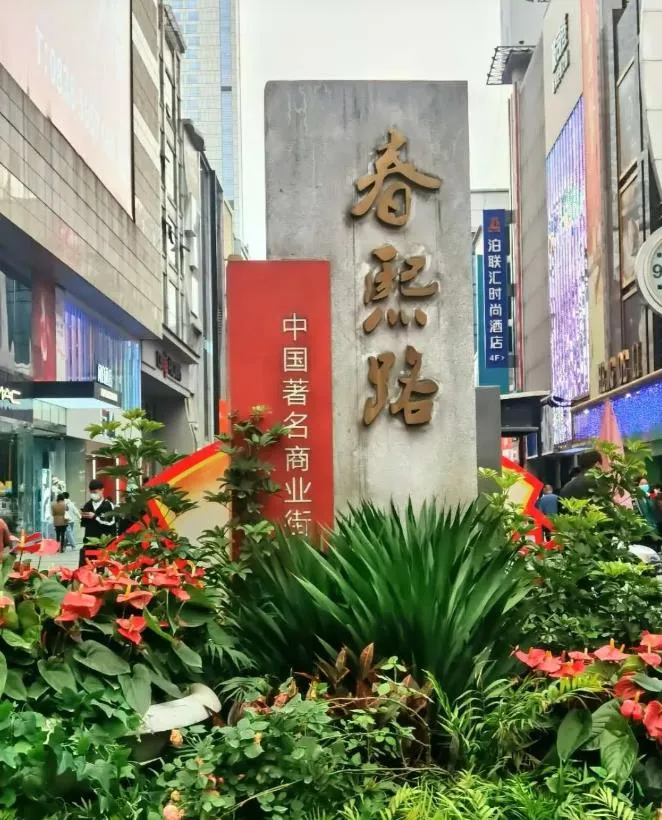
This is the core of the whole area. It is packed with brand shops, malls, restaurants and snack stalls. During the day, you will see crowds of tourists and locals shopping and eating. At night, the street lights and commercial atmosphere become even more lively.
I prefer strolling here without a strict shopping plan. Alongside modern commercial buildings, there are time-honoured local shops. It is a great place to observe everyday modern life in Chengdu.
2.2 Chengdu IFS and the Climbing Panda
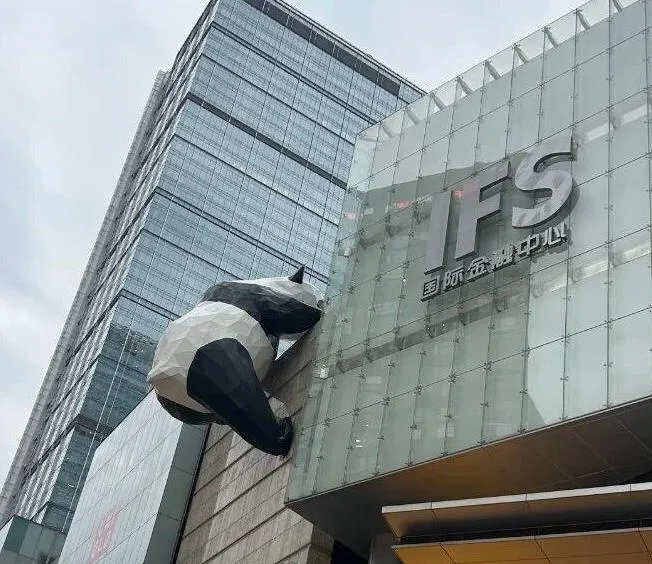
If I had to pick one photo spot around Chunxi Road, it would be Chengdu IFS.
Chengdu IFS is a premium shopping complex in central Chengdu, best known for its giant panda sculpture. The panda appears to climb the building, with its head peeking out on the rooftop, creating a highly distinctive visual.
Many travellers come to Chunxi Road first to find this panda for photos.
My tip: don’t only shoot from the street below. Enter the mall and go to the public viewing platform to get close-up shots and different angles of this city icon. It is well worth spending extra time here if you like photography.
2.3 Chengdu Taikoo Li
Taikoo Li is a short walk from Chunxi Road and IFS, and I highly recommend adding it to your itinerary.
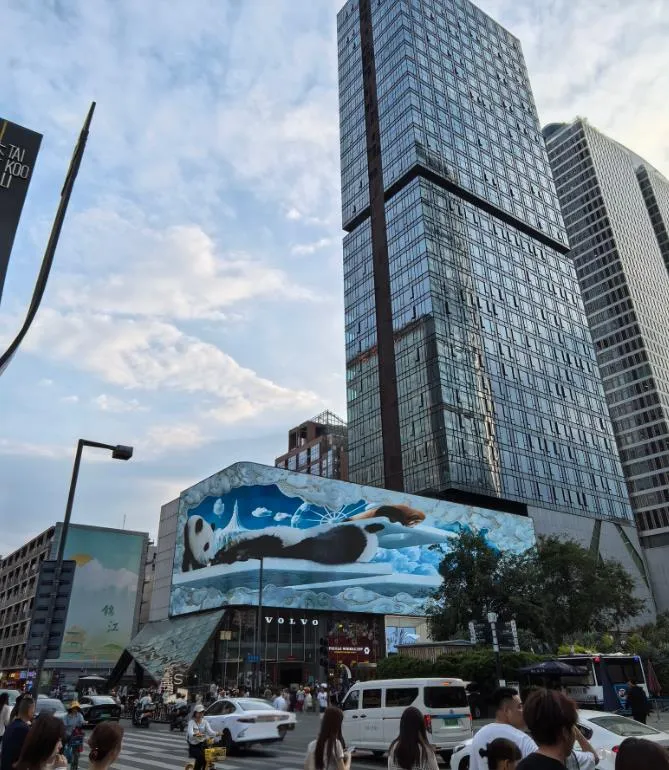
Unlike conventional enclosed shopping malls, Taikoo Li is an open-air block with low-rise buildings and wide walkways. It hosts international brands, fashion boutiques, restaurants and cafes. You can wander the lanes or stop for a coffee break.
One unique feature of Taikoo Li is its adjacency to Daci Temple. The contrast between modern commercial architecture and the ancient temple creates a very Chengdu-style cityscape.
If you enjoy modern architecture, fashion shopping and street photography, continue from Chunxi Road to Taikoo Li.
2.4 Daci Temple
Daci Temple is located inside the Taikoo Li precinct, one of Chengdu’s oldest Buddhist temples.
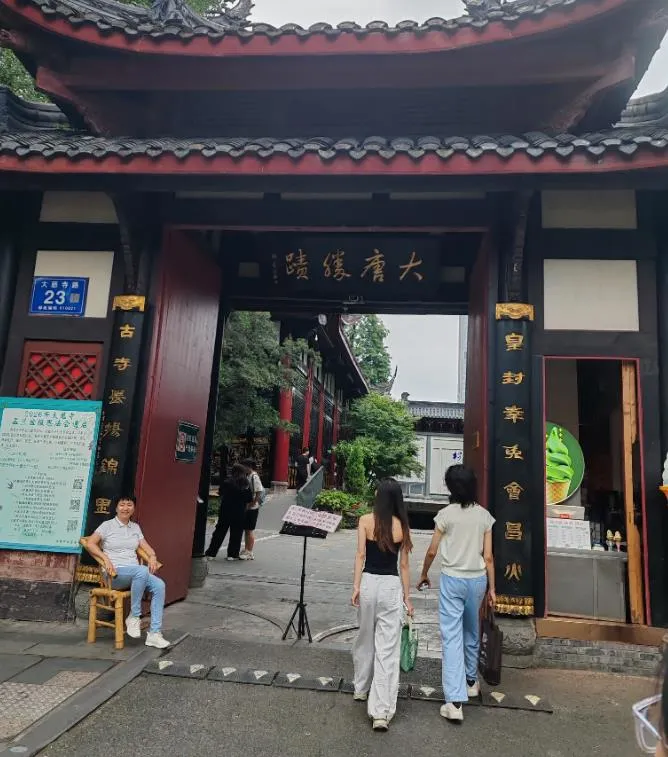
Stepping from the busy shopping streets into the temple grounds, you will instantly feel the shift in atmosphere. The bustling commercial district outside gives way to quiet courtyards and traditional temple buildings.
I think Daci Temple is a wonderful contrast spot near Chunxi Road. If you do not want to spend the whole afternoon shopping, you can wander here to experience traditional Chengdu culture. Please respect local religious customs when visiting. Opening zones and hours are subject to on-site notices.
3. What to eat around Chunxi Road | Chengdu Food Guide
Food is an essential part of any trip to Chengdu, and there is no shortage of restaurants, snack stalls and historic eateries around Chunxi Road. It is a central commercial area, so some places are slightly pricier than neighbourhood shops, but it is extremely convenient for first-time visitors to try local specialties.
3.1 Zhong Dumplings
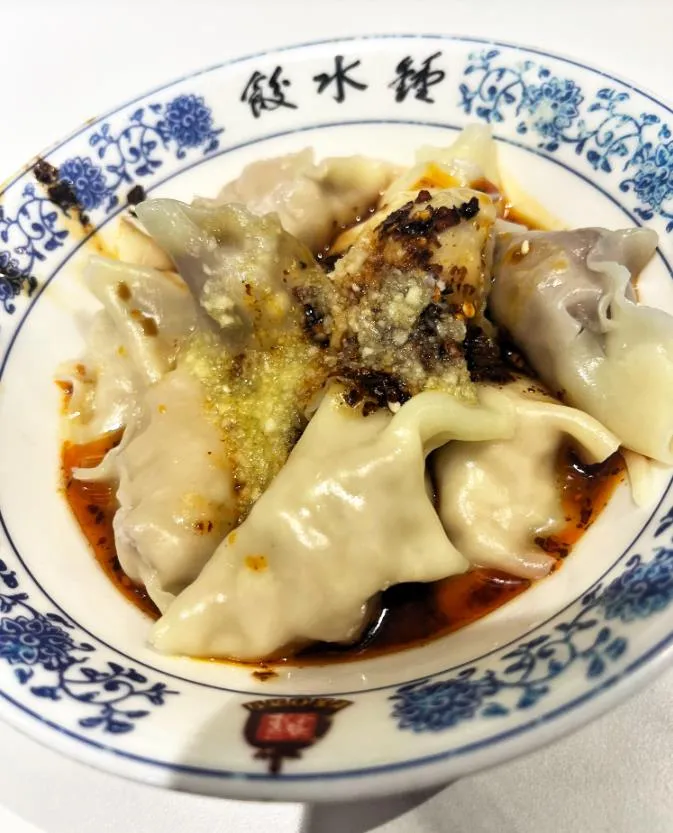
Zhong Dumplings are one of Sichuan’s iconic snacks. They differ from regular dumplings in their sauce: typically a mix of chilli oil, soy sauce, sugar and garlic, with a savoury, sweet and spicy flavour profile.
If you enjoy Sichuan flavours, give them a try. The sauce is richer and sweeter than many expect. Tell the staff if you cannot handle spicy food.
3.2 Long Chao Shou
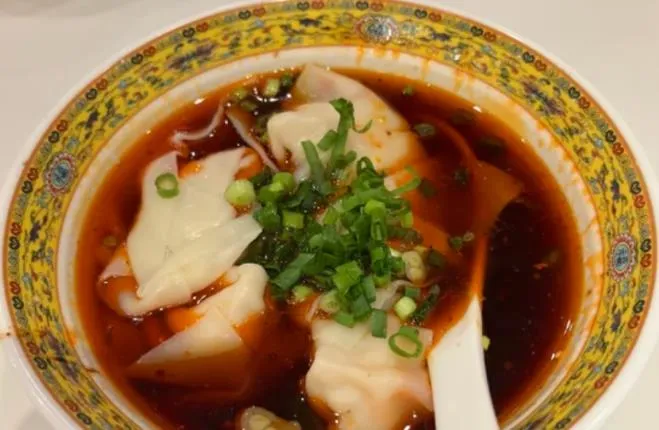
Long Chao Shou is another classic Chengdu snack. Chao shou are Sichuan-style wontons, with thin wrappers and tender filling. They can be served with different broths and sauces.
You can order a plain broth version if you are not used to heavy Sichuan oil and spice. It is a great starting point for visitors trying Sichuan snacks for the first time.
3.3 Lai Tangyuan
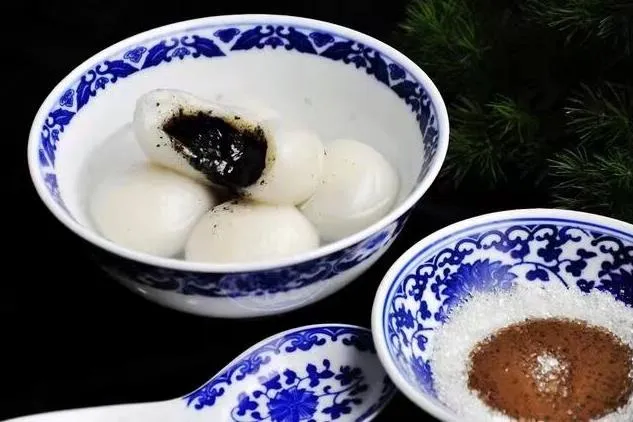
If you fancy something sweet, try Lai Tangyuan. Tangyuan are glutinous rice balls with sweet fillings, a traditional Chinese treat. Lai Tangyuan is a famous local brand in Chengdu.
Milder than hot pot or skewers, they work perfectly as dessert after a meal.
3.4 Sichuan Hot Pot
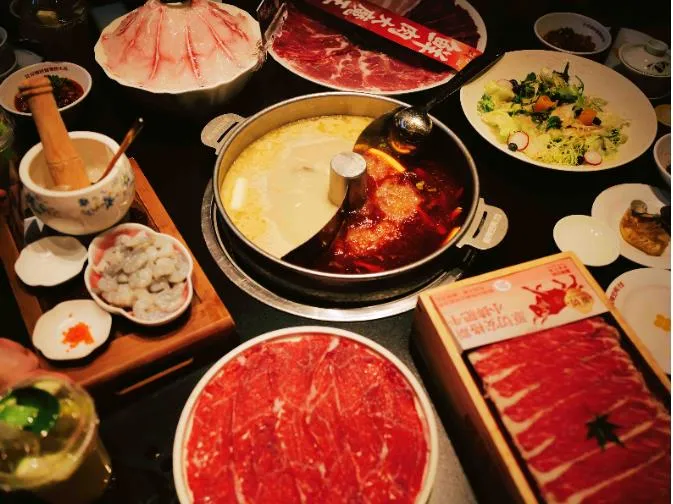
If you only have one dinner reservation in Chengdu, Sichuan hot pot is a fantastic choice. Sichuan hot pot is famous for its spicy broth simmered with chilli, Sichuan peppercorns and aromatic spices. Popular ingredients include beef, tripe, duck intestines, vegetables and tofu products.
There are plenty of hot pot restaurants around Chunxi Road, from casual eateries to upscale venues.
The spice level can surprise overseas visitors. If you cannot eat spicy food, order a split yin-yang pot: one side spicy, one side plain broth.
3.5 Street Snacks & Local Drinks
Besides classic restaurant dishes, there are grab-and-go options all around:
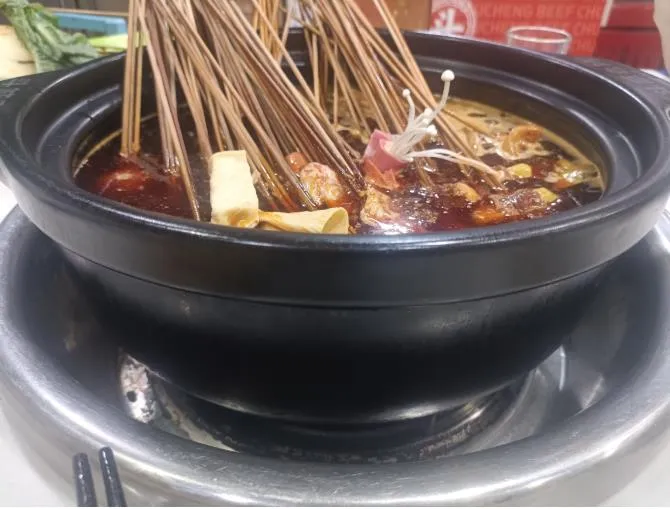
- Chuan Chuan: Assorted ingredients threaded on bamboo skewers and cooked in hot broth
- Dan Dan Noodles: Noodles with minced pork and signature seasoning
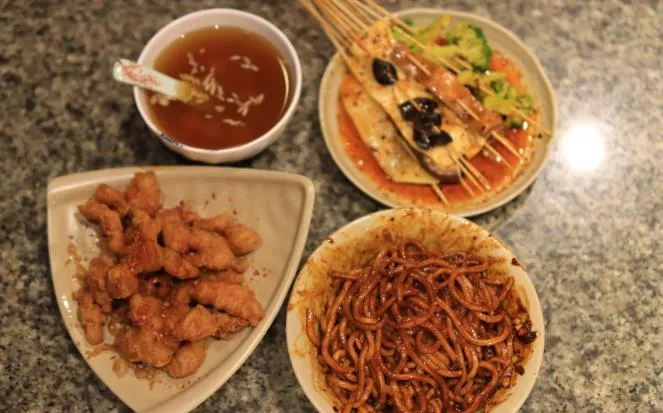
- Sweet Water Noodles: Sweet-tasting noodles with thick sauce
- Ice Jelly: A cool local dessert, perfect for hot weather
- Gaiwan Tea: Traditional Chengdu tea culture, best enjoyed sitting in a teahouse
I recommend not eating everything at one restaurant. You can hop between small snack shops and pick a few different treats to sample.
4. How to get to Chunxi Road
Chunxi Road sits in central Chengdu with excellent public transport. For first-time visitors, the metro is my top recommendation.
4.1 Chengdu Metro
Chunxi Road Station is an interchange for Metro Line 2 and Line 3. From other parts of Chengdu, take either line to Chunxi Road Station. Follow the signs from the station exit to the pedestrian street, IFS and surrounding shops.
The metro is my preferred transport choice because downtown roads get congested on weekends and holidays. It is usually much faster.
4.2 From Chengdu East Railway Station
If you arrive by high-speed train at Chengdu East Railway Station, take Metro Line 2 directly to Chunxi Road Station. No complex transfers are needed. Travel time depends on waiting, entry and exit walks; leave some extra buffer time.
4.3 From Chengdu Shuangliu International Airport
You can take the metro from Shuangliu Airport to central Chengdu. Check the current metro routes for the best transfer path to Chunxi Road Station. Taxis or ride-hailing services are an option if you carry lots of luggage. Journey time depends on traffic.
4.4 From Chengdu Tianfu International Airport
Tianfu Airport mainly serves international flights and is quite far from downtown Chengdu. Plan your metro route carefully and check the last metro departure time. If your flight lands late at night, pre-book a transfer or confirm public transport availability in advance.
5. Best time of year to visit Chunxi Road
Chunxi Road is suitable year-round. It is an open commercial district, unlike natural scenic spots limited by seasons. That said, seasons shape your experience.
5.1 Spring (March–May)
Spring is lovely for downtown walking in Chengdu. Temperatures warm up, and the weather is comfortable for wandering between Chunxi Road, Taikoo Li and Daci Temple. It is a great season for city sightseeing.
5.2 Summer (June–August)
Summers in Chengdu are hot and humid. If you visit then, plan outdoor walking and shopping for late afternoon or evening. Spend the hottest hours inside the air-conditioned malls of IFS and Taikoo Li.
5.3 Autumn (September–November)
Autumn is my favourite season for Chunxi Road. Temperatures are pleasant for strolling and photography. If you also plan trips to Dujiangyan, Qingcheng Mountain or Jiuzhaigou, autumn is a wonderful window for your whole Chengdu itinerary.
5.4 Winter (December–February)
Chunxi Road stays busy in winter. Chengdu winters are not extremely cold, but damp chill can feel sharp. Bring a warm jacket, especially for evening walks outside. Lunar New Year brings festive decorations and bigger crowds, though.
6. When is Chunxi Road the busiest?
Visit from late afternoon into evening if you want to experience its full lively energy. During daytime, it is mostly shopping-focused. Once night falls, street lights and restaurant activity bring the area alive.
If you dislike crowds, come on weekday mornings or early afternoons. Weekends, holidays and dinner rush hours are packed. Popular photo spots at IFS may require queuing during National Day, Spring Festival and other major holidays.
My suggested schedule:
- Morning: Leisurely walks, photos and Daci Temple visit
- Afternoon: Explore Chunxi Road, IFS and Taikoo Li
- Late afternoon: City street photos and shots of the panda sculpture
- Evening: Hot pot dinner, shopping and Chengdu nightlife
To capture both daylight and night views, arrive in the afternoon and stay until dark.
7. Nearby attractions to pair with Chunxi Road
One of Chunxi Road’s biggest advantages is its central location. Many other sights are easy to add to your itinerary if you stay in Chengdu for 2–3 days.
7.1 Tianfu Square
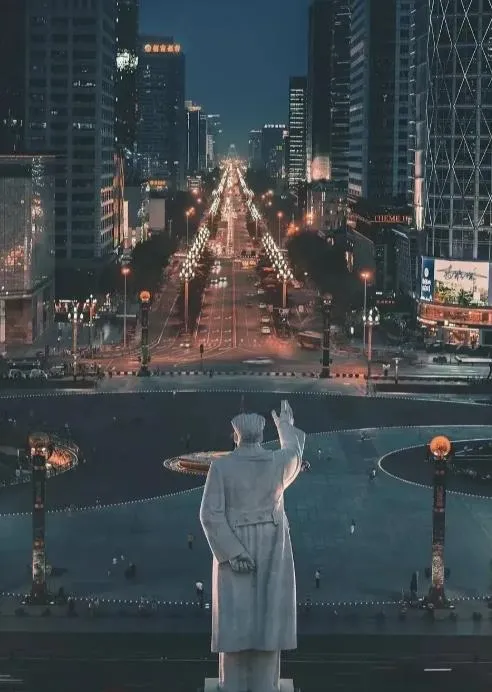
Tianfu Square is a major city square and landmark in central Chengdu. It is surrounded by cultural buildings, museums and commercial zones, a short distance from Chunxi Road. Visit it before or after Chunxi Road if you want to understand Chengdu’s urban layout.
7.2 Chengdu Museum
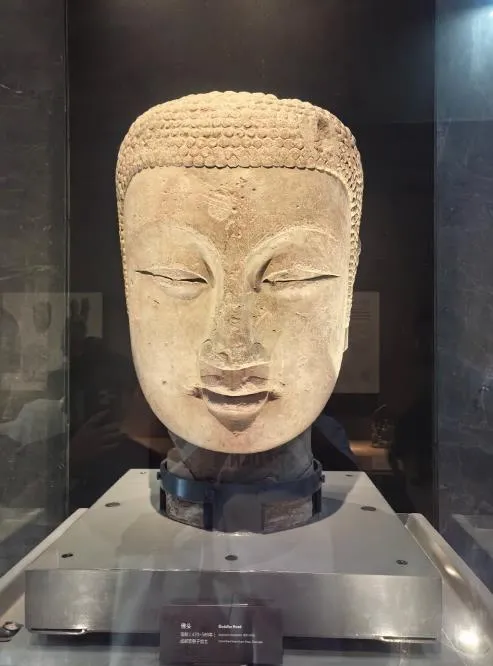
If you are interested in Chengdu’s history and culture, reserve time for Chengdu Museum. It features exhibitions covering Sichuan history, folk customs and urban development. Compared with the modern commercial vibe of Chunxi Road, the museum helps you dive deeper into the city’s story. Check opening hours and reservation rules before visiting, especially during holidays.
7.3 People’s Park
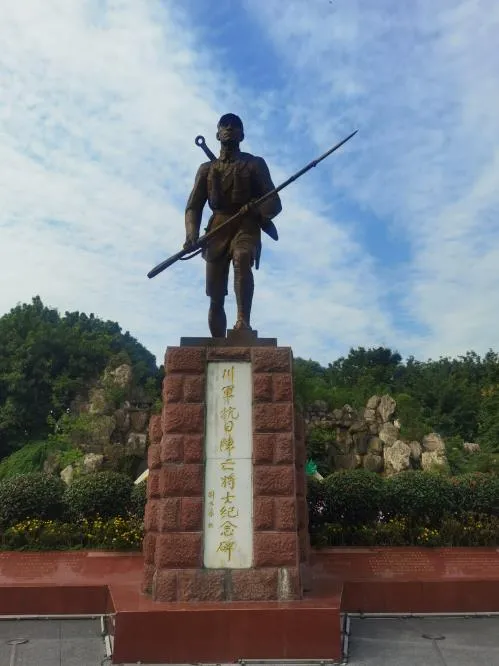
People’s Park is ideal for experiencing local Chengdu life. It has teahouses, trees, lakes and quiet leisure spaces. You can sit in a teahouse and watch locals chat and relax. After hours of shopping around Chunxi Road, it is a perfect place to slow down.
7.4 Kuanzhai Alley
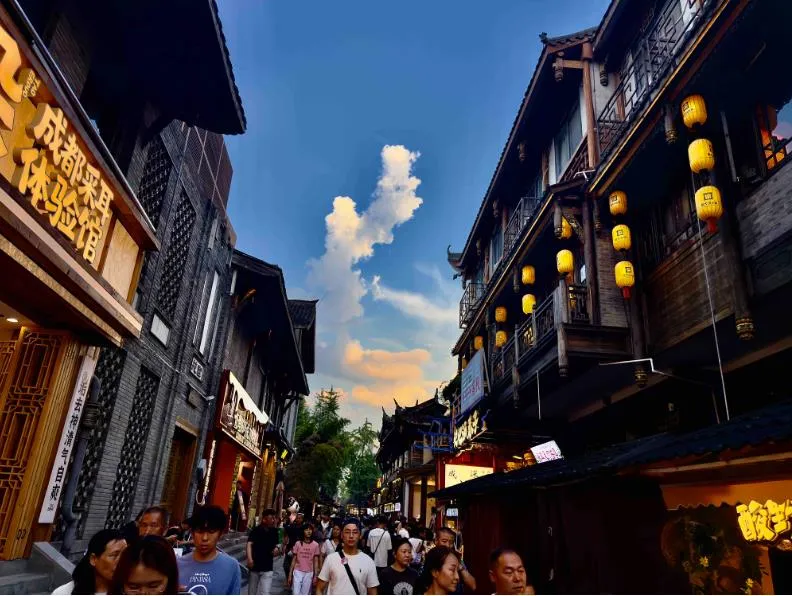
Kuanzhai Alley is a famous historic cultural block in Chengdu. It preserves traditional western Sichuan courtyard architecture alongside restaurants, teahouses and souvenir shops. Compared with Chunxi Road’s modern commercial feel, Kuanzhai Alley highlights traditional heritage. Visiting both lets you see two sides of Chengdu.
7.5 Wuhou Shrine and Jinli Ancient Street
Wuhou Shrine is an important historic site tied to the Three Kingdoms period. Right next to it, Jinli Ancient Street is known for traditional buildings, snacks and beautiful night scenes. If you love history, group Wuhou Shrine and Jinli into one day trip.
8. How much time should you spend at Chunxi Road?
I recommend 2–4 hours for a general visit. If you enjoy shopping, photography and snack-hopping, plan half a day. If you only want to see the main street and the IFS panda, 1–2 hours is enough.
8.1 Quick visit (1–2 hours)
Start at Chunxi Road Metro Station Walk along Chunxi Road Pedestrian Street Head to Chengdu IFS to photograph the climbing panda Grab snacks nearby Decide whether to extend to Taikoo Li based on your schedule
This works well if Chunxi Road is just one stop on your Chengdu city tour.
8.2 Half-day relaxed itinerary
Morning or afternoon: Chunxi Road Pedestrian Street → Chengdu IFS and the panda → Taikoo Li → Daci Temple Late afternoon: Return to Chunxi Road area Evening: Try local snacks or Sichuan hot pot, enjoy night views
This route is mostly walkable, with no frequent metro rides needed.
8.3 One-day Chengdu classic city tour including Chunxi Road
Morning: People’s Park, experience local teahouse culture Lunch near Kuanzhai Alley Afternoon: Chengdu Museum or Tianfu Square Late afternoon: Chunxi Road and IFS Evening: Taikoo Li, Daci Temple and dinner
This suits first-time visitors wanting to mix history, culture and modern city sights in one day.
9. Tips for first-time visitors to Chunxi Road
It is easy to reach, but as a top tourist commercial area, these details are helpful:
9.1 Is there an entry ticket?
No. Chunxi Road Pedestrian Street is an open public zone, free to enter. Shopping, dining and entertainment inside shops are paid separately.
9.2 What time do shops open?
The street itself is open all the time, with no closing time. Most large malls and brand stores open around 10 a.m. and close around 10 p.m. Opening hours vary by individual shop and restaurant. Check the schedule for specific venues in advance.
9.3 Is Chunxi Road suitable for children?
Yes. It has malls, restaurants and many photo spots, and it is convenient for family trips. Crowds get heavy on weekends and holidays. Keep a close eye on children and avoid lingering in the densest crowds.
9.4 Is Chunxi Road good for shopping?
Yes. It covers everything from affordable everyday brands to high-end luxury labels. Head to IFS and Taikoo Li for international and premium brands. Wander the side lanes of Chunxi Road Pedestrian Street for small local shops and traditional stores.
9.5 Payment tips for overseas visitors
Mobile payment is dominant in Chengdu; Alipay and WeChat Pay are widely used. Overseas visitors can learn how to link international bank cards to Alipay or WeChat ahead of travel. Major malls and brand stores often accept international credit cards, but small snack stalls and street vendors may not. Prepare suitable payment methods before you go.
10. Frequently asked questions about Chunxi Road Chengdu
10.1 Where is Chunxi Road in Chengdu? Chunxi Road is in Jinjiang District, central Chengdu, Sichuan Province. It is Chengdu’s most famous pedestrian shopping street, close to Chengdu IFS, Taikoo Li and Daci Temple.
10.2 Is Chunxi Road worth visiting? Yes. For first-time visitors to Chengdu, it is a great spot to experience the city’s commercial vibe, shop, try local snacks and take urban photos. It is also a convenient starting point for Taikoo Li and Daci Temple.
10.3 Is Chunxi Road pedestrian street free? Yes, the pedestrian street is open to the public with no admission fee. You will pay for shopping, food and other services.
10.4 What is Chunxi Road famous for? It is known for its bustling commercial streets, shopping malls, local snacks and lively urban atmosphere. The giant climbing panda sculpture on Chengdu IFS is its most popular photo landmark.
10.5 How do I get to Chunxi Road? The easiest way is to take Chengdu Metro Line 2 or Line 3 and get off at Chunxi Road Station. You can walk directly to the pedestrian street and surrounding attractions from the station.
10.6 How long should I spend at Chunxi Road? 1–2 hours for a quick look and photos. Half a day if you plan to shop, eat and explore IFS, Taikoo Li and Daci Temple.
10.7 Is Chunxi Road the same as Taikoo Li? No. Chunxi Road is the traditional pedestrian shopping street, and Taikoo Li is an adjacent open-air commercial block. They are very close and can be visited together.
10.8 What is the best time to visit Chunxi Road? You can visit all year round. Come in the late afternoon and evening for the lively night scene, or visit on weekday mornings if you want fewer crowds.
10.9 Can I visit Chunxi Road and the IFS panda in one trip? Absolutely. Chengdu IFS is just a short walk from Chunxi Road. You can tour Chunxi Road Pedestrian Street first, then go to IFS to see the famous climbing panda.