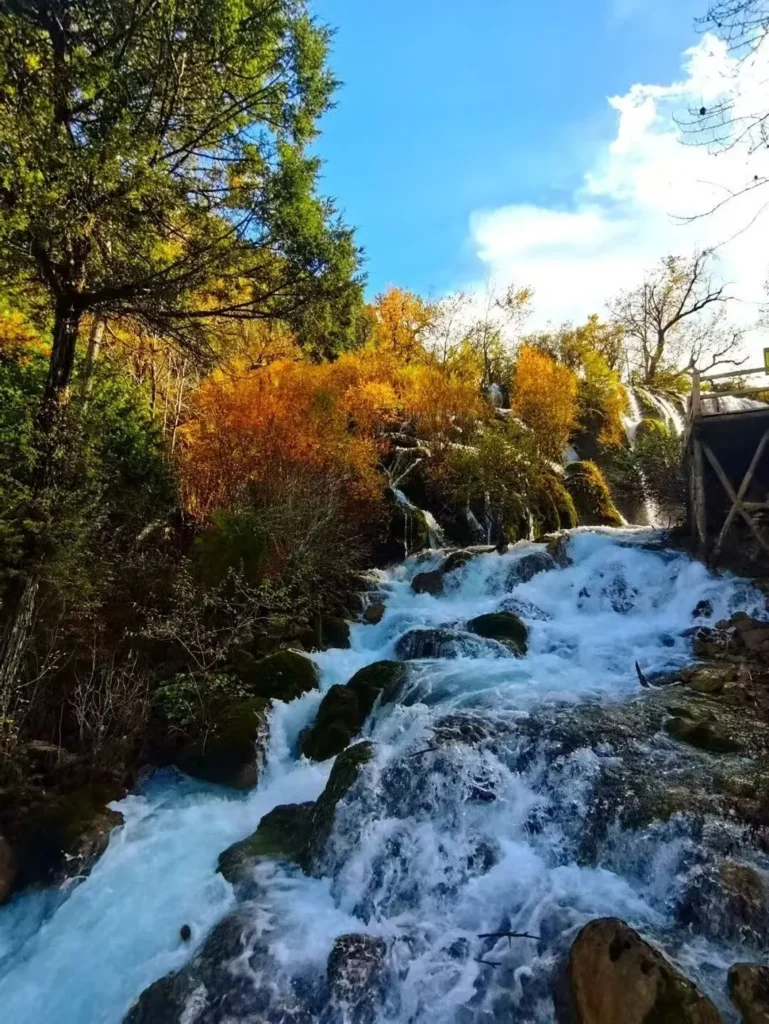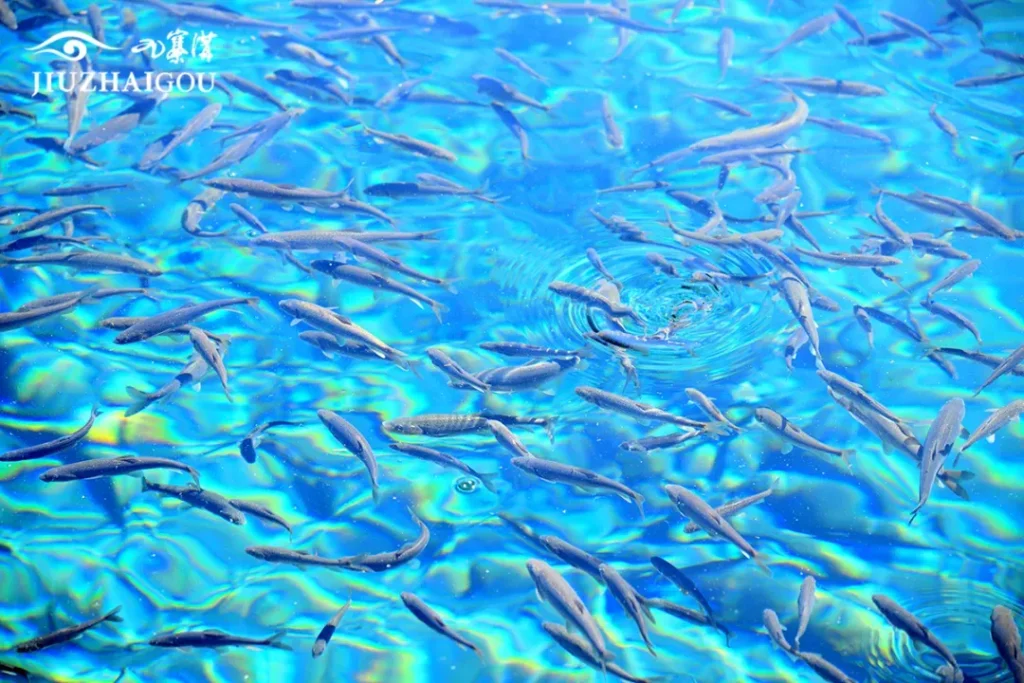
I’ll never forget the moment I stepped off the crowded boardwalk at Jiuzhaigou and onto the dirt track leading to the grasslands. Behind me, hundreds of tourists jostled for photos at Five Flower Lake. Ahead of me: endless rolling meadows, a solitary yak herder moving slowly across the horizon, and a silence so complete I could hear my own heartbeat.
That was the moment I realized everyone was looking in the wrong direction.
Yes, Jiuzhaigou’s turquoise lakes are stunning—they’re UNESCO World Heritage famous for a reason. But while millions of visitors fight for the perfect selfie at the main attractions, the vast alpine grasslands surrounding the valley offer something increasingly rare in our connected world: space, solitude, and a genuine encounter with a culture that has thrived at 10,000 feet for centuries.
This is the Jiuzhaigou most guidebooks ignore. And it’s the one I’m going to show you.
Why These Grasslands Matter
Let’s start with some numbers, because they tell a story the photos can’t:
- 3,000 square kilometers of alpine grassland surround Jiuzhaigou Valley—roughly three times the area of the main tourist circuit
- 3,000 to 3,500 meters (10,000 to 11,500 feet) is the typical elevation—high enough that the air feels different, thin and crisp
- Less than 5% of Jiuzhaigou visitors venture into these grasslands, according to park estimates
- Over 1,000 plant species call this ecosystem home, including dozens found nowhere else on Earth
- Approximately 200 Tibetan families still practice traditional nomadic herding in the area, moving their yaks and sheep seasonally between high and low pastures
These aren’t just scenic backdrops. They’re a living ecosystem and a cultural landscape that has persisted despite the pressures of tourism, development, and climate change.
A Personal Journey Into the Grasslands
My own introduction to these grasslands came by accident. I’d arrived in Jiuzhaigou like most visitors do—excited to see the famous lakes, camera ready, itinerary packed. On my second day, feeling overwhelmed by the crowds, I mentioned to my guide Tashi (a local Tibetan who’d grown up in the area) that I needed some space.
He smiled and said, “I know a place.”
Twenty minutes later, we’d left the paved roads behind. The bus gave way to a rented SUV, which gave way to a dirt track that wound up into the hills. And then, suddenly, the valley opened up into a vast expanse of green that stretched to the snow-capped peaks on the horizon.
Tashi pulled over and pointed to a black yak-hair tent in the distance. “My cousin’s family,” he said. “They’ll have tea.”
What followed was one of those travel experiences that reshapes how you think about a place. We sat cross-legged on the dirt floor of the tent, drinking butter tea that tasted like nothing I’d ever had (imagine if someone blended tea, butter, and salt—polarizing on first sip, strangely addictive by the third). Tashi’s cousin, who spoke almost no Mandarin and zero English, communicated through gestures and smiles. His children showed me their schoolbooks. His wife demonstrated how she spins yak wool. And outside, dozens of yaks grazed peacefully, bells tinkling in the quiet air.
One moment stands out: the cousin’s youngest daughter, maybe six years old, took my hand and led me outside to meet a baby yak. She was fearless, hugging the animal’s neck while it chewed grass placidly. I hesitated—what if it kicked me? She laughed at my uncertainty and gestured for me to touch it. The yak’s fur was coarse but warm, and it turned its head to look at me with eyes that seemed impossibly deep. In that moment, the distance between my world and hers collapsed. We were just two humans and a yak, standing on a grassland that had seen countless such moments over a thousand years.
That afternoon taught me something crucial: the grasslands aren’t just a place to visit. They’re a place to be welcomed into.
The People: Guardians of the Plateau
The Tibetan communities around Jiuzhaigou have lived here for over 1,000 years, long before the valley became a tourist destination. Their culture is inseparable from the landscape—every hill has a name, every spring has a story, every rock formation has spiritual significance.
Yaks are central to this way of life. These shaggy, sure-footed animals are perfectly adapted to high-altitude living:
- They can graze on grasses too tough for cattle
- Their milk is richer than cow’s milk, used to make butter and cheese
- Their wool is woven into clothing and tents
- Their dung is dried and burned for fuel (critical in a landscape with few trees)
- They serve as pack animals for moving camp
Meeting a yak herder is often the highlight for visitors who venture beyond the main circuit. But it’s important to approach these interactions respectfully. These aren’t performers; they’re people going about their daily lives. A good guide can facilitate genuine exchanges, but the interaction should feel natural, not transactional.
Tibetan Buddhism permeates daily life here. You’ll see prayer flags strung between rocks (they’re not decorations—they’re prayers printed on cloth, released into the wind), mani stones carved with sacred texts, and small stupas dotting the landscape. When you encounter these, treat them with respect: don’t step on mani stones, don’t remove prayer flags, and always walk clockwise around stupas.
When to Go: Seasons on the Plateau
The grasslands transform dramatically with the seasons. Here’s what to expect:
Summer (June to August)
- Wildflowers explode across the meadows—purple gentians, yellow buttercups, red poppies
- Temperatures: 15-25°C (59-77°F) during the day, near freezing at night
- Tibetan herders move to high pastures with their animals
- Pros: Best weather, most accessible, vibrant colors
- Cons: Peak tourist season, afternoon thunderstorms common
Autumn (September to October)
- Grass turns golden, creating vast seas of amber
- Crisp, clear light perfect for photography
- Temperatures: 10-20°C (50-68°F) during the day
- Pros: Stunning colors, fewer crowds than summer, stable weather
- Cons: Colder nights, some facilities begin closing in late October
Winter (November to March)
- Snow blankets the grasslands
- Many areas close to tourists
- Pros: Ultimate solitude, unique landscape
- Cons: Extreme cold, limited access, not recommended for casual visitors
Spring (April to May)
- Snow melts, grass greens up, first flowers appear
- Pros: Few visitors, sense of renewal
- Cons: Unpredictable weather, some areas still snow-covered
Best overall: Late September to early October offers the ideal combination of good weather, autumn colors, and manageable crowds.
Before You Go: Essential Information for American Travelers
Let’s talk logistics, because visiting the grasslands requires more planning than a typical tourist trip.
Visa Requirements
- U.S. citizens need a Chinese tourist visa (L visa)
- Apply at a Chinese embassy or consulate, or use a visa service
- Processing time: 4-10 business days (expedited available)
- Cost: Approximately $140-180 depending on processing speed
- Pro tip: Apply at least one month before travel; summer is peak season for visa applications
Getting There
- Fly to Chengdu (major international gateway with direct flights from San Francisco, Los Angeles)
- Connect to Jiuzhai Huanglong Airport (JZH) — 1-hour flight from Chengdu
- Ground transport — 2 hours by road from airport to Jiuzhaigou area
- Alternative: Overnight bus from Chengdu (8-10 hours, cheaper but tiring)
Finding a Guide
This is critical for accessing the grasslands authentically and safely:
- Recommended platforms: Viator, GetYourGuide, or local Sichuan tour operators
- Price range: $100-200/day for a private guide with vehicle
- What to look for: Local Tibetan guides, English-speaking, good reviews mentioning “grasslands” or “nomad visits”
- Red flags: Guides who only offer main tourist circuit, no flexibility for customization
- Book ahead: Especially for September-October peak season
Budget Estimates (Per Person, Per Day)
| Category | Budget | Mid-Range | Comfortable |
|---|---|---|---|
| Accommodation | $20-40 | $60-100 | $150-250 |
| Meals | $10-20 | $30-50 | $60-100 |
| Guide + Vehicle | $50-100 (shared) | $100-150 (small group) | $200-300 (private) |
| Park Entry | $45 | $45 | $45 |
| Total | $125-205 | $235-345 | $455-695 |
Health & Safety
- Altitude sickness is real at 3,000+ meters. Symptoms include headache, nausea, fatigue. Prevention: ascend gradually, stay hydrated, avoid alcohol, take it easy the first day. Bring acetazolamide (Diamox) if you’re concerned.
- Medical facilities are limited. The nearest hospital with international-standard care is in Chengdu. Travel insurance with medical evacuation coverage is essential.
- Sun protection is critical. UV intensity is much higher at altitude. Bring sunscreen (SPF 50+), sunglasses, and a hat.
- Water: Drink only bottled or boiled water. Bring a reusable bottle with a filter if possible.
What to Pack
- Sturdy hiking boots (broken in before you go)
- Layers for changing weather (temperatures can swing 20°C in a day)
- Down jacket even in summer (nights are cold)
- Sunscreen, sunglasses, hat
- Personal medications and basic first aid kit
- Power bank (charging opportunities can be limited)
- Cash (credit cards not accepted in rural areas; ATMs scarce)
Travel Insurance
- Highly recommended for U.S. travelers
- Look for coverage including: medical evacuation, altitude-related issues, trip cancellation
- Recommended providers: World Nomads, Allianz, Travel Guard
- Cost: Approximately 4-8% of total trip cost
Timing Your Booking
- Flights: Book 2-3 months ahead for best prices
- Accommodation: Book 1-2 months ahead for September-October travel
- Guide: Book at least 2 weeks ahead; earlier for peak season
Time Difference
- China Standard Time (CST) is UTC+8
- From U.S. East Coast: 12-13 hours ahead (depending on daylight saving)
- From U.S. West Coast: 15-16 hours ahead
- Jet lag tip: Arrive a day early to adjust before heading to high altitude
Cultural Etiquette: Do’s and Don’ts
American travelers may be unfamiliar with Tibetan customs. Here’s a quick guide:
DO:
- Ask before photographing people (a gesture of asking + pointing to your camera works)
- Dress modestly, especially when visiting temples or meeting families
- Walk clockwise around religious structures (stupas, mani stone piles)
- Accept offered tea or food (it’s a sign of hospitality)
- Learn a few Tibetan phrases: “Tashi delek” (hello/blessings), “Thukje che” (thank you)
DON’T:
- Step on or move mani stones (they’re sacred)
- Touch someone’s head (considered sacred in Tibetan culture)
- Point your finger at people or religious objects (use an open hand instead)
- Discuss politics (Tibet is a sensitive topic)
- Expect everyone to speak English (learn patience and use gestures)
The Conservation Story
The grasslands around Jiuzhaigou face real threats:
- Tourism pressure: Over 5 million visitors annually to Jiuzhaigou Valley, with spillover effects on surrounding areas
- Climate change: Rising temperatures affect grassland ecology and water availability
- Development: Road construction and infrastructure expansion fragment habitat
- 2017 earthquake: A 7.0 magnitude earthquake closed the valley for reconstruction; while the main area has reopened, some grassland areas remain affected
Conservation efforts are ongoing. The Chinese government has invested in infrastructure and environmental protection, and there are community-based initiatives that employ local Tibetans as rangers and guides. As a visitor, you can support these efforts by:
- Choosing local guides and businesses (ensures tourism benefits the community)
- Following “leave no trace” principles (pack out all trash, stay on established paths)
- Respecting wildlife (observe from a distance, don’t feed animals)
- Supporting conservation-focused tour operators
Making the Most of Your Grassland Experience
If you’re convinced these grasslands deserve a spot on your itinerary (they do), here’s how to maximize your visit:
Minimum Time Commitment
- 3 days is the sweet spot: 1 day for main valley, 2 days for grasslands
- Rushing defeats the purpose; these landscapes reward patience
Must-Do Experiences
- Visit a nomad family camp (arranged through your guide)
- Hike to a viewpoint at sunrise or sunset (the light is magical)
- Spend a night in a village guesthouse (Zhangzha or nearby)
- Try Tibetan food (momos, thukpa, yak butter tea)
- Simply sit and watch (sometimes the best activity is doing nothing)
Photography Tips
- Golden hour (sunrise/sunset) is spectacular
- Bring a polarizing filter for the intense high-altitude light
- Wide-angle for landscapes, telephoto for wildlife
- Ask before photographing people
- Don’t miss the details: prayer flags, yak bells, wildflowers
Beyond Jiuzhaigou
If you have extra time, consider:
- Huanglong (1.5 hours away): Famous travertine pools, similar altitude
- Songpan (2 hours): Ancient town with Ming-era walls
- Ruoergai Grassland (3 hours): Even larger grassland ecosystem
- Chengdu (flight + drive): Giant pandas, Sichuan cuisine, urban contrast
Final Thoughts: Why This Journey Matters
Here’s the thing: travel is increasingly homogenized. Airbnbs look the same everywhere. Instagram has turned every famous spot into a photo factory. Authentic encounters are harder to find.
The grasslands near Jiuzhaigou offer something different. They’re not perfect—tourism is changing them, climate change is real, and the traditional nomadic lifestyle is under pressure. But they’re real. When you sit in a yak-hair tent and drink butter tea with a family who’s lived here for generations, when you hike across a meadow and see no one else for hours, when you watch the sun set over snow-capped peaks and feel small in the best possible way—that’s travel as it should be.
I think about that little girl and her baby yak often. In a world that feels increasingly divided, there’s something profound about a moment where language doesn’t matter, where cultural differences dissolve, where two people connect over shared wonder at the living world. That’s what the grasslands offer—not just beautiful scenery, but the possibility of genuine human connection.
The lakes of Jiuzhaigou are worth seeing. But don’t let them be all you see. The grasslands are waiting, and they have stories to tell. Stories written in the movement of yaks across the horizon, in the flutter of prayer flags against an endless sky, in the quiet hospitality of people who have learned that survival at 10,000 feet requires community, not competition.
Go see the lakes. Then go find the grasslands. Let both change you.
Have you visited Jiuzhaigou or similar high-altitude regions? What was your most memorable encounter with local culture? Share your experiences in the comments below.
Planning a trip? Feel free to ask questions—I’ll do my best to help.
Sources & Further Reading:
– UNESCO World Heritage Centre: Jiuzhaigou Valley Scenic and Historic Interest Area
– The Nature Conservancy: Tibetan Plateau Conservation
– World Nomads Travel Insurance: China Coverage