Huanglongxi Ancient Town: Location, Day Trip from Chengdu, Attractions & Transport Guide
If you travel in Chengdu, besides the popular city spots like Kuanzhai Alleys, Jinli Ancient Street and Chunxi Road, I highly recommend setting aside half a day or a full day to visit Huanglongxi Ancient Town.
Huanglongxi Ancient Town sits in Shuangliu District, Chengdu, around 40 kilometres from downtown Chengdu. It is a water town in western Sichuan with a history of more than 1,700 years. You will find bluestone lanes, traditional riverside residences, ancient bridges, old temples and classic teahouses here. Compared with Chengdu’s busy commercial streets, Huanglongxi delivers a much more laid-back vibe.
In my opinion, the biggest charm of this place is not a single grand building, but the authentic lifestyle across the whole ancient town. Stroll along the river, sit down in a waterside teahouse, taste local snacks and wander through old streets and heritage buildings — this is the best way to enjoy Huanglongxi.
If you are planning a trip to Chengdu, this travel guide will tell you where Huanglongxi Ancient Town is, its key attractions, transport choices, best visiting seasons and how to arrange a satisfying day trip.
1. Where is Huanglongxi Ancient Town?
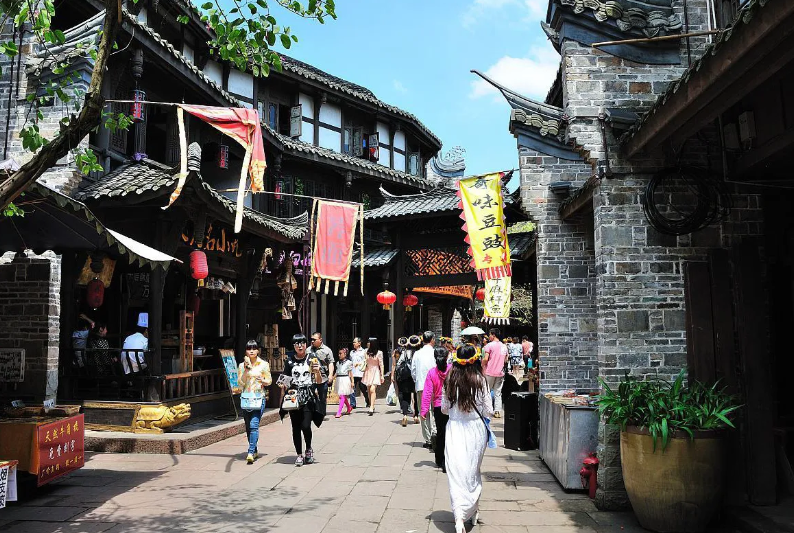
Huanglongxi Ancient Town is located in Huanglongxi Town, Shuangliu District, Chengdu, Sichuan Province, China. It lies in the southern Chengdu Plain, roughly 40 km from the city centre.
The town stands near the confluence of the Fu River and Luxi River, featuring the typical scenery of a western Sichuan water town. Rivers, old streets and traditional buildings blend together to form its signature landscape.
If you depart from central Chengdu, the drive generally takes about one hour, depending on your starting point and traffic conditions.
Basic facts about Huanglongxi Ancient Town:
- Chinese Name: 黄龙溪古镇
- English Name: Huanglongxi Ancient Town
- City: Chengdu, Sichuan, China
- District: Shuangliu District
- History: Over 1,700 years
- Tourist Rating: National AAAA Scenic Area
- Highlights: Ancient western Sichuan architecture, riverside scenery, historic lanes and folk culture
- Admission: Free access to the main public streets
- Suggested visiting time: 3–5 hours; a full day for in-depth exploration
Search “Huanglongxi Ancient Town Chengdu” on Google Maps to locate it.
2. What to see in Huanglongxi Ancient Town?
What makes Huanglongxi special is its overall atmosphere. There is no complicated sightseeing route. Simply walking along the old streets and riverbanks lets you encounter many distinctive buildings and local scenes.
2.1 Ancient Ming & Qing Streets
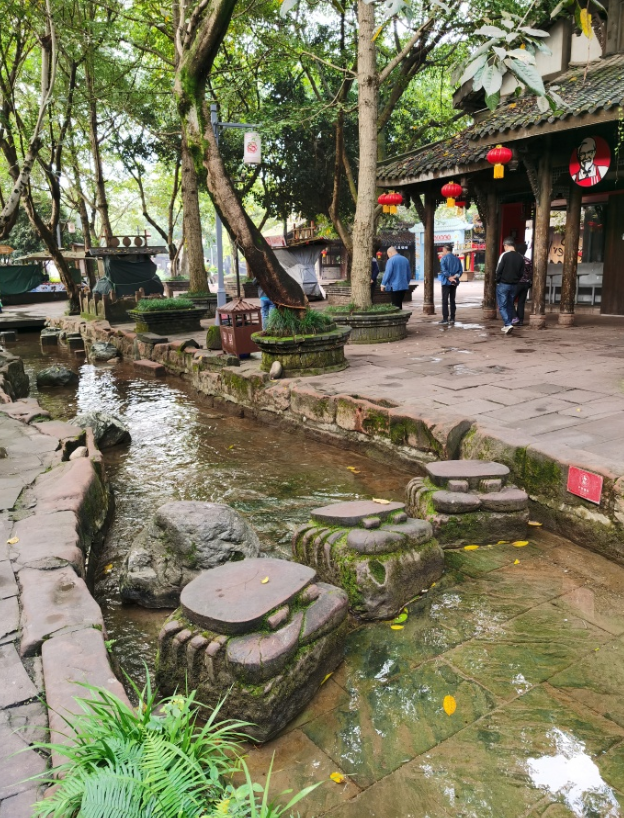
One of the most iconic sights in Huanglongxi is its preserved historic streets. Several lanes retain architectural styles from the Ming and Qing dynasties. Bluestone pavements, wooden doors and windows, traditional shopfronts and overhanging eaves create the classic look of a western Sichuan ancient town.
I love observing the old buildings lining the streets. Many feature wooden structures and grey tile roofs, with carved decorations, gateways and courtyard layouts preserved in some properties.
Many of these heritage houses now operate as teahouses, restaurants, boutique shops and souvenir stores. While the town has some commercial development, the overall atmosphere of the historic streets is still well worth experiencing.
2.2 Town River & Riverside Stilt Houses
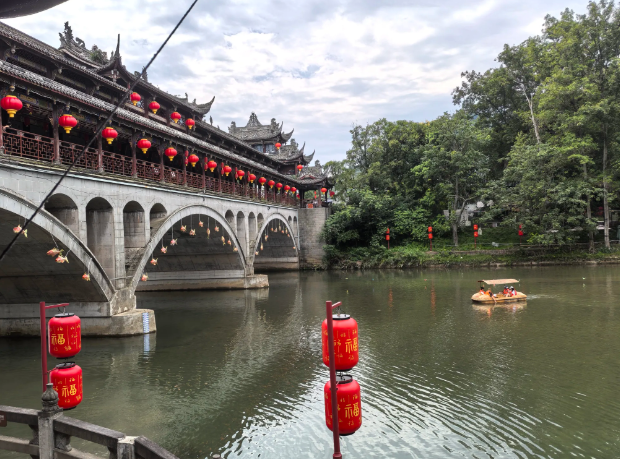
Water defines the character of Huanglongxi Ancient Town. The settlement was built alongside the river, with old homes, stone steps and waterside structures lining the banks. Some buildings adopt stilt-house designs, with wooden frameworks extending close to the water — a classic feature of western Sichuan water towns.
When the weather is nice, I suggest walking along the river instead of only staying on the busy main commercial street. Many teahouses and restaurants line the banks. You can stop for tea or a meal and soak in the slow pace of life unique to ancient towns around Chengdu.
2.3 Gulong Temple
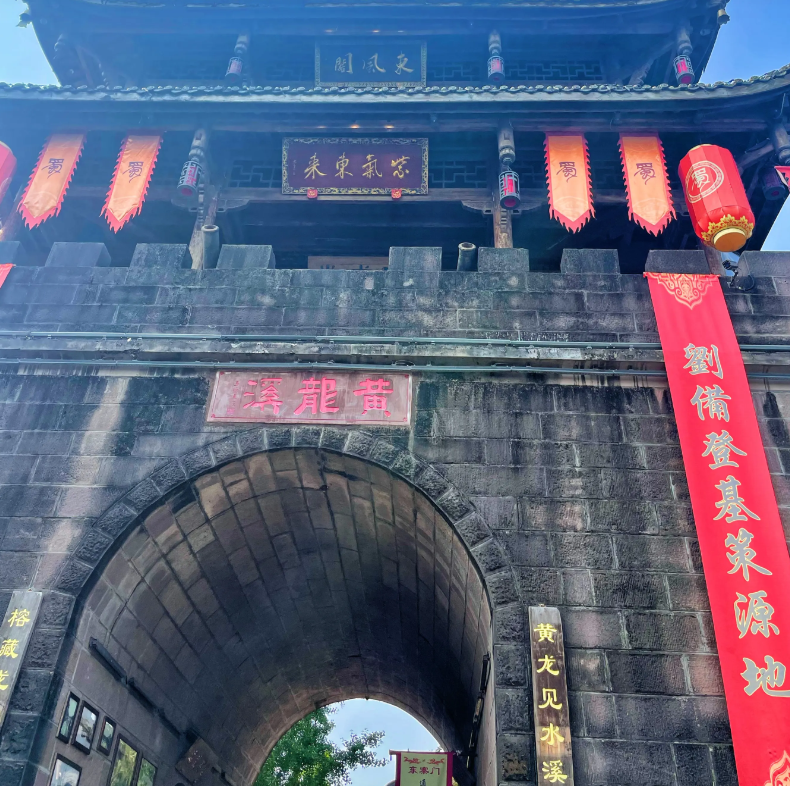
Gulong Temple is an important historic building inside the ancient town and a representative site of local temple culture. Ancient trees and relics can be found within the temple grounds, surrounded by the town’s traditional architecture. It is usually quieter than the busy main street, perfect for a peaceful walk and viewing classic temple construction.
If you enjoy history and cultural heritage, include Gulong Temple in your walking route.
2.4 Zhenjiang Temple
Zhenjiang Temple is another prominent ancient temple within the historic district. Huanglongxi had close ties to water transport and trade in the past. These temples not only served religious functions but also reflect the beliefs and daily life of local residents through history.
Take time to notice the temple forms, roof details and traditional ornaments. Together with the old streets and river, they shape the historic appearance of Huanglongxi.
2.5 Chaoyin Temple
Chaoyin Temple sits on the main street of Huanglongxi Ancient Town. It was also known as Leshan Hall in the past. Stone steles inside record the founding and development of the temple, as well as the local governance history of Huanglongxi.
If you are interested in the history of western Sichuan ancient towns, you can visit Gulong Temple, Zhenjiang Temple and Chaoyin Temple together.
2.6 Three-County Yamen
The Three-County Yamen is a distinctive cultural landmark in Huanglongxi. Long ago, Huanglongxi sat at the border of several counties and was jointly administered by three counties, leaving behind this special historical memory of shared governance.
This site also shows Huanglongxi’s historical importance as a transport and trading hub on the southern Chengdu Plain.
I think this spot is worthwhile because it is not just an old building — it helps visitors understand why Huanglongxi grew into a prosperous riverside market town.
3. Unique experiences in Huanglongxi Ancient Town
Photographing buildings is only part of the fun. I recommend spending time on local food, teahouses and folk customs to fully experience the town.
3.1 Have tea in a riverside teahouse
For visitors exploring ancient towns near Chengdu, drinking tea is one of the most authentic experiences. Many teahouses line the river in Huanglongxi, with direct views over the water and heritage buildings. Pick a nice spot, order a cup of tea and watch passing visitors and local life unfold beside the river. It is wonderfully relaxing.
If you enjoy photography, waterside seats offer great compositions combining traditional architecture, the river and teahouse scenes.
3.2 Watch the Huanglongxi Fire Dragon Folk Performance
The most famous folk tradition of Huanglongxi is the fire dragon dance, also called the burning fire dragon. This performance is especially popular during Chinese New Year, combining dragon dancing, fireworks and festive rituals for a lively spectacle. Huanglongxi is known as the “Hometown of the Chinese Fire Dragon”.
If you plan to visit Chengdu during the Spring Festival, check the official event schedule ahead of time. Performance times, venues and activities change each year, so do not rely on old schedules to plan your trip.
3.3 Take a boat to see the water town scenery
The river also offers another way to experience the ancient town. When boat services are available, tourists can take a cruise to view the riverside buildings and townscape from the water. Boat rides deliver a different perspective compared with walking on land. Note that cruises are usually charged separately, and availability plus ticket prices depend on on-site conditions.
3.4 Wander boutique shops and quiet old lanes
Small shops along the streets sell local snacks, handcrafted goods, souvenirs and daily items. If you are not in a hurry, turn down side lanes. Many quieter alleys reveal traditional residential homes and genuine local daily scenes.
I suggest exploring the whole town first before deciding what to buy, instead of shopping immediately after entering the gate.
4. Local special food in Huanglongxi
Besides ancient architecture and riverside views, local cuisine is another big draw for travellers. Chengdu is a famous food city, and Huanglongxi’s dishes carry strong Sichuan and western Sichuan flavours. If it is your first visit, try these recommended foods:
4.1 One-String Noodles
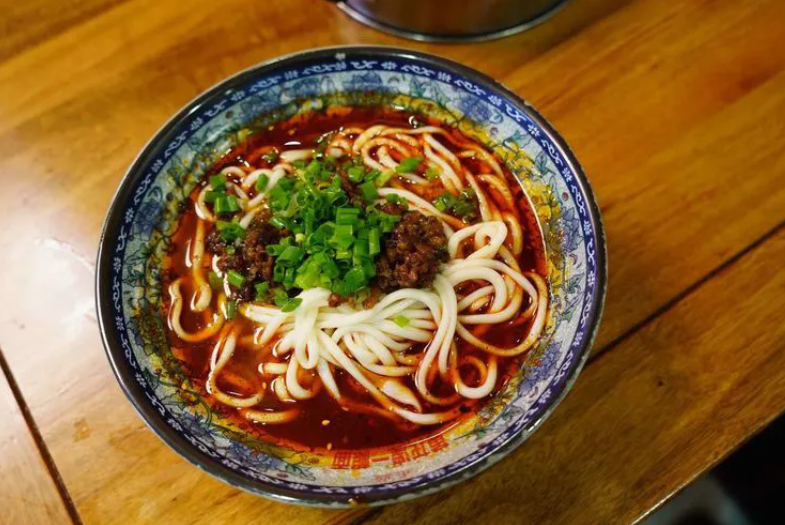
One-String Noodles is the signature snack of Huanglongxi. It is famous for its extremely long, continuous noodle strands stretched by hand, then cooked and seasoned with sauces. The preparation process is quite entertaining to watch. Some shops demonstrate the pulling technique live for visitors.
4.2 Pearl Tofu Pudding
Tofu pudding is a classic traditional food across Sichuan. Many tofu shops operate in Huanglongxi, offering plain light versions or spicy seasoned options for people who prefer bold Sichuan tastes.
4.3 Crispy Pork Hock
Crispy pork hock is a well-known local dish. It is made from pork knuckle cooked with special methods, creating a contrast between the crispy outer layer and tender meat inside. It works well for groups sharing a meal.
4.4 Braised Yellow Catfish
Yellow catfish is a common freshwater fish in Sichuan. Braised yellow catfish is cooked in rich Sichuan-style sauce, ideal for travellers who enjoy fish and spicy local food.
4.5 Sesame Cakes and traditional pastries
If you do not want a full meal, try sesame cakes and other traditional pastries sold in the town. Buy small portions as you stroll, instead of purchasing large quantities at once.
5. Best time to visit Huanglongxi Ancient Town
Huanglongxi can be visited year-round, but the experience differs by season.
5.1 Spring: Great for slow walks
Temperatures in Chengdu rise gently in spring, making it suitable for outdoor sightseeing. If you want to avoid summer heat and the huge crowds of Chinese New Year, spring is a wonderful choice. I recommend visiting on a sunny weekday, wandering slowly beside the river and old streets.
5.2 Summer: Enjoy the water town atmosphere
Summer is the busiest season in Huanglongxi. The river, waterside teahouses and ancient lanes form the classic water town scene. On hot days, visitors love staying near the water.
However, weekends and holidays get crowded, especially in the afternoon on the main street. For summer trips, arrive on a weekday or in the morning to skip peak crowds.
5.3 Autumn: Relaxed leisure travel
Autumn weather in Chengdu is generally comfortable, perfect for a one-day ancient town trip. You can explore old lanes, drink tea by the river and taste local food. If your Chengdu itinerary includes multiple attractions, autumn makes scheduling easier.
5.4 Winter: Experience quiet ancient town life
Fewer tourists come in winter. Even though the weather may be cool and damp, the teahouses, heritage buildings and lanes are still worth visiting. If you arrive around Chinese New Year, keep an eye out for folk events such as the fire dragon dance.
6. How to get to Huanglongxi Ancient Town from Chengdu
Huanglongxi is roughly 40 km from downtown Chengdu. The main transport options are self-driving, ride-hailing, taxis and public transit.
6.1 Self-driving or ride-hailing
This is the most convenient choice if you travel with family or friends. The ride from central Chengdu normally takes about one hour, subject to your starting location and road traffic. Navigate directly to “Huanglongxi Ancient Town”.
The core town area is pedestrian-only; cars cannot enter the main old streets. Park your vehicle in designated parking zones nearby and walk into the town.
6.2 Metro + bus
If you prefer to avoid taxis or ride-hailing, you can combine metro and local buses. One common route: Take Chengdu Metro Line 5 and get off at Huilong Station. Transfer to a bus heading toward Huanglongxi Bus Station according to real-time schedules. Walk to the ancient town entrance after arriving.
Check routes such as S18 and 541, but bus stops, timetables and services may change. Always verify live information via Chengdu public transport apps or map navigation before departure.
This option costs less but involves transfers and a longer total travel time.
6.3 From Chengdu Shuangliu International Airport
If you land at Shuangliu Airport and want to go straight to Huanglongxi, public transit usually requires transfers. Ride-hailing or pre-booked vehicles are more practical if you carry luggage or travel in a group.
6.4 From Chengdu Tianfu International Airport
If you arrive at Tianfu Airport, plan your route based on your flight arrival time and accommodation location. The airport is relatively closer to the general area of Huanglongxi, but actual travel time still depends on live navigation.
If you plan to check into a hotel in downtown Chengdu first, schedule Huanglongxi for a separate day instead of rushing there immediately after landing.
7. Ticket information and visiting duration
This is one of the most frequently asked questions by international visitors. The main public streets of Huanglongxi Ancient Town are generally free to enter. Visitors may freely walk the lanes and riverside areas.
Still, some independent scenic spots, paid experiences and boat trips charge separately. Admission rules for historic buildings or activities are set individually.
7.1 Opening hours
The public streets of Huanglongxi are usually open all day, while shops, temples and separate attractions follow their own business hours. Confirm opening times in advance if you plan to visit temples, take a boat or watch folk performances.
7.2 Suggested visiting length
Choose your pace:
- 2 hours: Quick walk along old streets and river for photos
- 3–5 hours: Visit main lanes, temples and sample local snacks
- Half to full day: Add teahouse relaxation, boat rides and side street exploration for a complete experience
Half a day works well for first-time visitors. If you enjoy slow travel, spending the whole day here is very enjoyable.
8. One-day itinerary for Huanglongxi Ancient Town
If departing from downtown Chengdu, I recommend an early morning start and returning in the late afternoon.
Morning: Explore old streets and historic buildings
Leave Chengdu around 9 a.m. After arrival, enter from the main gate and walk the primary streets to see traditional residences, archways and historic lanes. Continue to visit Gulong Temple, Zhenjiang Temple and Chaoyin Temple. If you are interested in local history, learn the background of the Three-County Yamen.
Noon: Taste local special food
Have lunch at a restaurant inside the ancient town. I recommend trying one-string noodles, pearl tofu pudding, crispy pork hock and braised yellow catfish. Travelling in small groups lets you order several different dishes to share and sample more local flavours.
Afternoon: Riverside relaxation and optional activities
Spend the afternoon beside the river. Sit in a waterside teahouse for a rest, or take a boat if services are running on the day. Shop for souvenirs before leaving if you wish.
Evening: Return to Chengdu
Head back to downtown Chengdu in the afternoon or early evening unless you plan to stay for special Spring Festival folk shows, in which case adjust your schedule according to official event times.
9. Other attractions to combine with Huanglongxi
If you have more than two days for your Chengdu trip, pair Huanglongxi with other nearby sights.
9.1 Chengdu Research Base of Giant Panda Breeding
This is one of China’s most popular conservation and education sites for giant pandas. I highly recommend it for first-time visitors to Chengdu to learn about panda behaviour, breeding and wildlife protection. Note that the panda base is in northern Chengdu, quite far from Huanglongxi, so do not try squeezing both into the same half-day trip.
9.2 Kuanzhai Alleys
Located in central Chengdu, Kuanzhai Alleys is a famous historic district with western Sichuan architecture, teahouses, restaurants and creative shops. You can visit it on a different day from Huanglongxi.
9.3 Jinli Ancient Street
Jinli sits beside Wuhou Shrine, a commercial historic lane known for traditional architecture, Sichuan snacks and beautiful night lighting. Both Jinli and Huanglongxi are ancient streets, but they offer different experiences: Jinli is in the city centre with stronger commercial energy; Huanglongxi features riverside buildings and a genuine water-town setting.
9.4 Dujiangyan
Dujiangyan, northwest of Chengdu, is the world-famous ancient irrigation project and a UNESCO World Heritage Site. If you love ancient engineering and history, allocate a full separate day for Dujiangyan. It lies in a different direction from Huanglongxi, so avoid overpacking your schedule.
10. Frequently asked questions
Where is Huanglongxi Ancient Town?
Huanglongxi Ancient Town is in Huanglongxi Town, Shuangliu District, Chengdu, Sichuan Province, China, about 40 km from downtown Chengdu. It is a well-known historic water town near Chengdu.
Is Huanglongxi Ancient Town worth visiting?
Yes, if you enjoy traditional architecture, riverside scenery, western Sichuan culture and local food. It is conveniently accessible from Chengdu and suitable for family trips, casual outings and lovers of ancient-town culture.
Is entry to Huanglongxi Ancient Town free?
The main public streets are generally free, but separate attractions, boat rides and special experiences may carry extra fees. Follow on-site notices for the latest pricing.
How old is Huanglongxi Ancient Town?
It has a history of more than 1,700 years and was an important water and trade market town on the southern Chengdu Plain.
How far is Huanglongxi from Chengdu?
It is roughly 40 km from downtown Chengdu. Self-driving or ride-hailing normally takes around one hour, depending on traffic.
Is Huanglongxi Ancient Town suitable for children?
Yes. Children can see historic streets, river scenery, local snacks and folk culture, experiencing a different environment from city shopping districts. If visiting in summer, supervise children closely by the river and follow site rules — do not let them swim or play in unauthorised water areas.
Huanglongxi vs Jinli: Which one should I choose?
If your time is limited and you want city-centre old streets and snacks, pick Jinli. If you want a water town with a river, stilt buildings and a quieter ancient-town atmosphere, choose Huanglongxi. If your schedule allows, visit both, as they offer very different sides of Chengdu travel.